


How Should Cervical Spondylosis Be Treated?

Cervical spondylosis can be managed through various approaches, including daily posture correction, cervical physical therapy, symptom-targeted pharmacological treatment, local infiltration (nerve block) therapy, and surgical intervention. This condition commonly arises from cervical degeneration and poor posture, leading to compression of blood vessels and nerves and resulting in diverse symptoms. If persistent limb weakness, gait instability, or similar symptoms occur, prompt medical evaluation and treatment are essential.
1. Daily Posture Correction: This forms the foundation of conservative management. Maintain proper sitting and standing posture; avoid prolonged head-down positions or extended desk work. Minimize the habit of using electronic devices while lying down, and regularly lift your head to gently mobilize the neck. Select a pillow with an appropriate height to preserve the natural cervical lordosis, thereby relieving muscular tension in the neck and slowing the progression of cervical degeneration.
2. Cervical Physical Therapy: This includes modalities such as heat application, cervical traction, and massage therapy. These techniques improve local blood circulation, relax stiff and spastic musculature, alleviate fatigue, soreness, and discomfort in the cervical region, and mildly correct minor cervical misalignments.
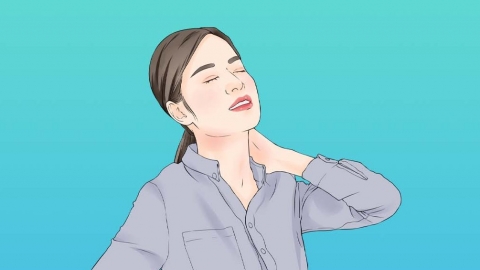
3. Symptom-Targeted Pharmacological Treatment: Medications are selected based on specific symptoms—such as neck pain, stiffness, or limb paresthesia—to reduce localized inflammation and relieve neural irritation caused by compression. Strictly adhere to professional medical guidance when taking medications, monitor recovery progress closely, and combine drug therapy with daily lifestyle adjustments to consolidate therapeutic outcomes.
4. Local Infiltration (Nerve Block) Therapy: This approach is indicated for patients with refractory cervical pain. It involves injecting medication directly into the painful site to suppress local inflammatory responses and interrupt pain signal transmission, thereby rapidly alleviating severe cervical soreness and improving neck mobility.
5. Surgical Intervention: Surgery is reserved for severe cases of cervical spondylosis unresponsive to conservative treatment. It aims to decompress nerves and blood vessels compressed by bony overgrowth or herniated intervertebral discs, restoring normal cervical anatomy. Postoperatively, patients should gradually commence structured rehabilitation exercises to progressively restore cervical mobility and prevent further disease progression.
Consistently performing moderate cervical stretching exercises, maintaining adequate neck warmth and protection against cold exposure, avoiding prolonged sedentary behavior, and cultivating healthy lifestyle habits collectively help reduce the risk of recurrent cervical spondylosis.


