


What Are the Symptoms of Cervical Spondylosis?

Cervical spondylosis can manifest in various ways, including soreness and stiffness in the neck and shoulders, numbness and pain in the upper limbs, dizziness and headache, nausea and blurred vision, and a sensation of walking on cotton. These symptoms arise primarily from cervical degeneration compressing nerves or blood vessels. Different symptom patterns vary depending on the affected structures. If you experience limb weakness or gait instability, seek prompt medical evaluation and treatment.
1. Neck and Shoulder Soreness and Stiffness: This is a common presentation of cervical spondylosis. Discomfort typically worsens after prolonged forward head posture (e.g., extended smartphone or computer use). Persistent muscle tension and spasm in the neck lead to a pulling-type pain upon neck rotation. Morning stiffness is frequent and may partially improve with gentle movement; however, cold exposure or fatigue can exacerbate local soreness and heaviness.
2. Numbness and Pain in the Upper Limbs: This usually results from compression of cervical nerve roots. Pain often radiates from the neck down to the shoulder, arm, and fingers. Some individuals report finger numbness and reduced grip strength when handling objects. Symptoms frequently intensify at night due to improper sleeping positions, interfering with daily hand function.
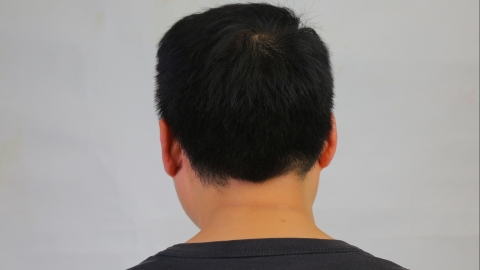
3. Dizziness and Headache: These symptoms stem from irritation or compromise of the vertebral arteries, leading to fluctuating cerebral blood supply. Dizziness commonly occurs during head turning or bending forward, often accompanied by a sensation of head pressure or throbbing pain. Some patients experience mental fogginess and difficulty concentrating. As the condition recurs, the frequency of dizziness episodes tends to correlate with changes in cervical spine status.
4. Nausea and Blurred Vision: These manifestations are frequently attributable to sympathetic nervous system irritation, presenting with nausea, epigastric discomfort, dry eyes, and visual blurring or “shimmering.” They often co-occur with neck discomfort and tend to improve with neck relaxation and rest. Because these symptoms overlap with those of other internal medical conditions, careful differential diagnosis is essential.
5. Sensation of Walking on Cotton: This is a more serious warning sign indicating spinal cord compression. Patients describe a feeling of softness or instability underfoot—akin to walking on cotton—and diminished coordination of lower-limb movements, resulting in unsteady gait. Its appearance signals advanced disease severity and warrants urgent diagnostic evaluation to prevent progressive neurological damage.
In daily life, select an appropriately height-adjusted pillow, avoid prolonged screen viewing in flexed-neck positions, perform simple neck-stretching exercises during breaks, maintain adequate neck warmth, and minimize sustained neck muscle tension—all of which help reduce symptom recurrence.


