


What should I do if my feet are peeling severely?

Severe foot peeling can be improved through daily foot care, localized moisturizing and repair, topical symptomatic medications, oral medications, and targeted treatment addressing the underlying cause. Foot peeling is commonly triggered by factors such as dry skin, fungal infection, or eczema-related irritation, and often presents with symptoms including itching and fissuring. If extensive erosion with exudation, erythema, swelling, pain, or fever occurs, prompt medical evaluation and treatment at a hospital are essential.
1. Daily Foot Care: Wash feet daily with lukewarm water; avoid alkaline cleansers and excessive scrubbing of peeling areas to prevent injury to newly formed skin and worsening of symptoms. Wear breathable, moisture-wicking cotton socks and shoes, and change damp socks promptly to maintain dryness and ventilation.
2. Localized Moisturizing and Repair: This approach targets peeling caused by dryness and dehydration. After cleansing the feet, apply moisturizers—such as emollient creams or petroleum jelly—immediately, focusing especially on peeling and fissured areas to lock in moisture and restore the compromised skin barrier. For enhanced hydration, apply a thick layer of moisturizer before bedtime and cover with plastic wrap.
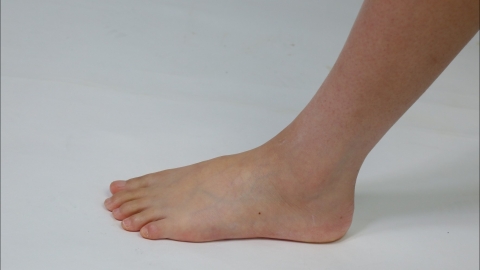
3. Topical Symptomatic Medications: Selection of topical medications should be guided by the underlying cause. For fungal infection–induced peeling—often accompanied by pruritus and vesicles—antifungal agents should be applied topically as directed by a healthcare professional. For eczema-related peeling, appropriate topical corticosteroid or non-steroidal anti-inflammatory creams may be used to reduce local inflammation and alleviate itching and desquamation.
4. Oral Medication Therapy: Oral medications are indicated when topical treatments prove insufficient, particularly in severe cases. For widespread fungal infection with prominent pruritus, systemic antifungal therapy may be prescribed under professional guidance to suppress fungal proliferation comprehensively. In severe eczema-associated peeling, adjunctive oral medications—such as antihistamines or immunomodulators—may help regulate systemic immune responses and reduce generalized inflammation, thereby improving foot skin desquamation from within.
5. Etiology-Specific Treatment: This approach addresses foot peeling secondary to specific disorders—for example, keratolysis exfoliativa, dyshidrotic eczema, or cutaneous manifestations associated with systemic diseases. Accurate diagnosis of the underlying condition is essential before implementing a tailored therapeutic plan.
Avoid forcibly peeling off flaking skin; minimize prolonged occlusion of the feet (e.g., wearing tight, non-breathable footwear); ensure balanced intake of vitamins and adequate hydration; limit exposure to irritating cleansers; regularly replace and clean footwear and socks; and maintain overall foot dryness and comfort to reduce recurrence of peeling.


