


What Are the Treatment Options for Acne on the Face?

Acne on the face can be managed through various approaches, including daily skincare regimens, physical phototherapy, topical medications, oral medications, and aesthetic medical procedures. Acne is commonly triggered by excessive sebum production, abnormal follicular keratinization, and inflammatory infection. Its severity varies significantly among individuals. If you develop widespread cysts or nodules, or experience symptoms such as erythema, swelling, pain, or fever, seek prompt medical evaluation and treatment.
1. Daily Skincare Management: Use a gentle cleanser to cleanse the face appropriately, complemented by non-comedogenic, lightweight moisturizers. Consistently apply broad-spectrum sunscreen to minimize UV-induced inflammation exacerbation. Avoid manually squeezing acne lesions. Maintain regular sleep patterns and limit intake of high-sugar and high-fat foods.
2. Physical Phototherapy: Physical phototherapy is a non-invasive intervention utilizing light-based modalities—such as blue-red light therapy or intense pulsed light (IPL)—targeted at affected facial areas. Blue light suppresses proliferation of Propionibacterium acnes, while red light reduces inflammation and promotes skin repair, also helping to fade newly formed post-acne marks. Regular, protocol-guided treatment sessions can effectively support management of mild-to-moderate acne and reduce skin irritation associated with topical or systemic medications.
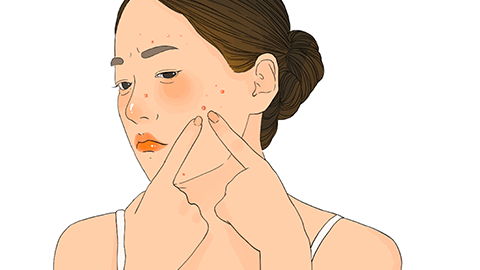
3. Topical Medications: Topical treatments are suitable for mild-to-moderate acne. Under professional guidance, select appropriate topical agents to alleviate follicular obstruction and suppress localized inflammatory responses. These medications help improve common manifestations such as comedones and papules; simply apply them evenly and sparingly to affected areas.
4. Oral Medications: Oral medications are indicated for moderate-to-severe acne, particularly when topical therapies prove insufficient. Under professional supervision, appropriate systemic agents should be prescribed. These medications help regulate sebum production and mitigate systemic inflammatory responses, thereby improving severe presentations such as cysts and nodules. During treatment, regularly monitor your overall health status; do not adjust dosage without medical advice to avoid adverse effects.
5. Aesthetic Medical Procedures: Aesthetic interventions are typically reserved for severe acne or residual scarring. Options include acne extraction (comedo extraction), chemical peels (e.g., glycolic acid), and fractional laser therapy. These procedures help unclog obstructed follicles, normalize epidermal keratinization, and improve acne-related atrophic scars and post-inflammatory hyperpigmentation. Post-treatment, diligent skin recovery care—including strict sun protection—is essential to prevent complications such as pigmentary changes.
Maintain facial cleanliness and dryness daily; avoid frequent touching or squeezing of acne lesions. Prioritize consistent sleep schedules and minimize late-night activity. Adopt a light, balanced diet—limiting high-sugar, high-fat, and spicy foods—and practice daily sun protection and moisturization to preserve skin barrier integrity and reduce the likelihood of acne recurrence.


