What Causes Eczema?
Aug 25, 2026
Source: Cainiu Health

Dr. Liu Wenmin
Introduction
Eczema is associated with various factors, including genetic predisposition, immune dysfunction, environmental triggers, impaired skin barrier function, and dietary or contact allergens. It is an inflammatory skin condition prone to recurrence. If symptoms such as extensive skin erosion with exudation or severe, intractable pruritus occur, prompt medical evaluation and treatment at a hospital are recommended.
Eczema is an inflammatory skin condition associated with multiple factors, including genetic predisposition, immune dysfunction, environmental triggers, impaired skin barrier function, and dietary or contact allergens. It tends to recur frequently. If extensive skin erosion with exudation or severe, intractable pruritus occurs, prompt medical evaluation and treatment are essential.
1. Genetic Predisposition: Genetic factors constitute a key intrinsic cause. A family history of allergic diseases increases the individual’s risk of developing eczema. Individuals with such a background often have inherently sensitive skin, rendering them more susceptible to various external stimuli—thus forming a foundational basis for disease onset.
2. Immune Dysfunction: Immune dysregulation alters the body’s normal response patterns, causing the immune system to mount aberrant reactions—mistaking harmless environmental substances as threats and launching inappropriate attacks. This exaggerated immune response can trigger characteristic eczema manifestations, such as erythema and pruritus.
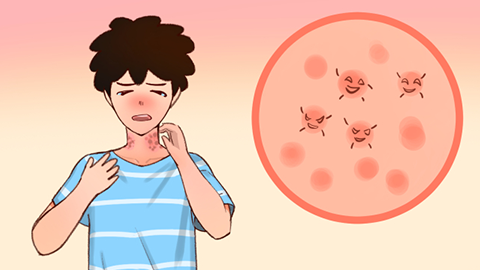
3. Environmental Triggers: Common environmental triggers include dry climate, rapid temperature fluctuations, dust, pollen, and animal dander. Prolonged exposure to such conditions subjects the skin to persistent irritation, promoting cutaneous inflammation and thereby triggering eczema flares or exacerbating existing symptoms.
4. Impaired Skin Barrier Function: When the skin barrier is compromised, its ability to retain moisture diminishes, allowing irritants and allergens to penetrate more easily into the deeper layers of skin. Over-cleansing, excessive scrubbing, and use of harsh or irritating skincare products can all damage the barrier, creating favorable conditions for eczema development.
5. Dietary and Contact Triggers: Potential triggers include certain foreign proteins (e.g., from foods), spicy foods, chemical detergents, and synthetic fabrics. In susceptible individuals, exposure to these agents may provoke allergic skin reactions, contributing to both initial onset and recurrent episodes of eczema.
In daily life, maintaining adequate skin hydration and repair, avoiding known irritants, minimizing scratching and friction, appropriately selecting topical anti-inflammatory medications, and adhering to regular sleep-wake cycles can all help reduce the likelihood of eczema recurrence.