


What should I do about acne on my nose?

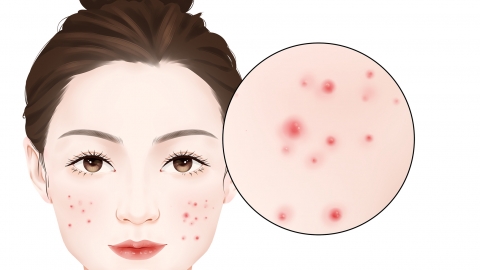
Acne on the nose can be improved through daily skincare, physical supportive care, topical medications, oral medications, and professional aesthetic medical interventions. The nasal area contains a high density of sebaceous glands; excessive sebum accumulation can easily trigger follicular inflammation, leading to acne development. If widespread pustular acne, worsening local swelling and pain, or other severe symptoms occur, seek prompt medical evaluation and treatment at a hospital.
1. Daily Skincare:
Maintain thorough yet gentle facial cleansing, especially around the nose, to remove excess sebum and prevent prolonged sebum buildup and pore blockage. Maintain regular sleep patterns and a light, balanced diet—limiting high-sugar and high-fat foods. Avoid touching or squeezing nasal acne to prevent inflammatory spread, hyperpigmentation, and post-acne scarring.
2. Physical Supportive Care:
Gentle warm compresses or red/blue light therapy may be used to care for nasal skin, helping to open pores and facilitate the removal of excess impurities. These methods soothe localized inflammation, reduce follicular redness and swelling, and accelerate resolution of mild acne. Consistent application helps maintain stable epidermal turnover in the nasal area.
3. Topical Medications:
For mild acne, apply approved topical medications to suppress intra-follicular inflammation and unclog obstructed sebaceous ducts. This helps alleviate nasal redness, papules, and comedones. Apply consistently as directed to support skin repair. During treatment, keep the nasal skin dry and avoid all irritating skincare products.
4. Oral Medication Therapy:
When acne is numerous or inflammation is extensive, oral medications may be prescribed under professional guidance. These help regulate systemic sebum production and reduce deep-seated cutaneous inflammation, thereby addressing recurrent breakouts from within. Strictly adhere to the prescribed course to stabilize skin metabolism.
5. Professional Aesthetic Medical Interventions:
For persistent acne or residual post-acne marks, aesthetic treatments such as chemical peels (e.g., glycolic acid) or fractional laser therapy can be employed to unclog pores, accelerate exfoliation of aged keratinocytes, eliminate deep inflammation, and repair damaged skin—effectively improving recurrent nasal acne and pigment deposition.
Maintain gentle daily cleansing of the nasal skin, followed by basic moisturization and sun protection. Adopt a light diet and consistent sleep schedule; avoid staying up late and consuming greasy or sugary foods to stabilize skin condition and prevent acne recurrence.


