


Can eating tomatoes help remove age spots?

Consuming tomatoes does not directly remove age spots (melasma or hyperpigmentation). Although tomatoes contain nutrients such as vitamins, their antioxidant effects are only supportive and cannot lighten existing pigmented spots. If age spots rapidly increase in number or darken significantly, prompt medical evaluation is essential.
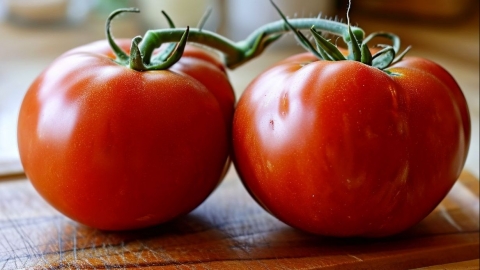
Tomatoes contain vitamin C and lycopene—compounds with antioxidant properties that help reduce free radical–induced skin damage. However, after digestion and absorption through the gastrointestinal tract, only limited amounts of these nutrients reach the skin; thus, they cannot directly break down melanin already deposited in the epidermis. Age spot formation is multifactorial, involving UV radiation exposure, hormonal fluctuations, genetic predisposition, and other factors—making dietary interventions alone insufficient for effective pigment reduction.
Improving age spots requires a scientifically grounded approach. Daily sun protection is fundamental, as UV exposure continuously exacerbates melanin deposition. Individuals with noticeable hyperpigmentation may benefit from topical depigmenting agents that inhibit melanin synthesis. For persistent or treatment-resistant pigmentation, medical aesthetic procedures (e.g., laser therapy, chemical peels) can be considered. Relying solely on tomato consumption will not eliminate age spots.
Adopt rigorous daily sun protection, avoid prolonged sun exposure, maintain regular sleep patterns, consume a variety of fresh fruits and vegetables, minimize sleep deprivation, and support healthy skin metabolism to delay both the onset and progression of age spots.


