


What Are the Treatment Options for Bromhidrosis?

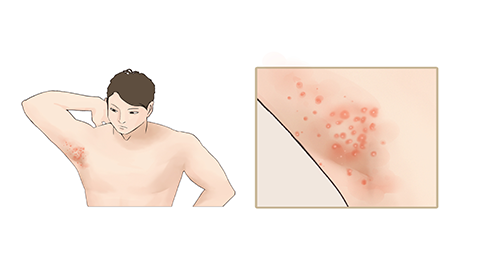
Treatment options for bromhidrosis (axillary osmidrosis) include daily hygiene and cleansing, physical antiperspirant interventions, topical medications, injectable therapies, and surgical excision. Bromhidrosis is an odor-related condition caused by abnormal secretion from apocrine glands, with severity varying significantly among individuals. If symptoms such as axillary redness, swelling, inflammation, recurrent ulceration, or infection occur, prompt medical consultation and treatment are advised.
1. Daily Hygiene and Cleansing: Wash the axillary area daily to promptly remove sweat and secretions, maintaining local skin dryness. Wear breathable, moisture-wicking clothing to minimize heat retention and sweating. After exercise-induced sweating, cleanse the area as soon as possible—this helps reduce axillary odor and alleviate discomfort associated with mild bromhidrosis.
2. Physical Antiperspirant Interventions: Use antiperspirant products to reduce axillary sweat production and inhibit bacterial breakdown of sweat, which causes odor. Complementary use of talcum or drying powders can help maintain local dryness. This approach is suitable for individuals with mild symptoms but requires regular reapplication to sustain a fresh, dry axillary environment.
3. Topical Medications: Under professional guidance, select topical antibacterial and antiperspirant formulations to suppress bacterial proliferation in the axilla and reduce odor-causing substance production. After thoroughly cleansing and drying the axillary area, apply the medication evenly. Consistent, long-term use is essential for improving abnormal axillary odor; avoid application on broken or irritated skin.
4. Injectable Therapy: Local injection of pharmacologic agents temporarily suppresses apocrine gland secretion, thereby reducing sweat output. The therapeutic effect is time-limited, necessitating periodic follow-up visits and repeat injections. As a minimally invasive option, it is appropriate for patients with moderate bromhidrosis who wish to avoid surgical intervention.
5. Surgical Excision: Surgical removal of abnormal apocrine gland tissue in the axilla offers substantial improvement in bromhidrosis. Although this procedure involves incisions, proper postoperative wound care is essential. It is best suited for individuals with severe bromhidrosis; adherence to physician instructions during recovery is critical for optimal outcomes.
In daily life, minimize excessive sweating induced by intense physical activity; limit intake of strongly odorous foods; change clothes frequently; and keep the axillae dry. Consistent maintenance practices serve as valuable adjuncts in mitigating axillary odor.


