


What Are the Methods for Treating Acne?

Acne can be effectively managed through various approaches, including daily lifestyle adjustments, physical supportive care, topical medications, oral medications, and aesthetic medical interventions. Since acne development is influenced by multiple factors—including excessive sebum production, follicular hyperkeratosis, and inflammation—consistent, standardized management is essential. If you experience widespread cysts or nodules, recurrent abscesses, or persistent painful swelling, seek prompt medical evaluation and treatment at a hospital.
1. Daily Lifestyle Adjustments: Modify your diet by reducing intake of high-sugar and high-fat foods; ensure adequate sleep and avoid chronic sleep deprivation. Maintain proper facial cleansing, refrain from squeezing pimples, and minimize pore blockage and inflammatory spread—thereby reducing the likelihood of acne recurrence at its source.
2. Physical Supportive Care: Red-blue light therapy may be used to inhibit the proliferation of acne-causing bacteria and alleviate localized inflammation. Maintain appropriate facial hydration to preserve skin barrier integrity; avoid frequent exfoliation and minimize external irritants to help relieve redness and swelling associated with mild-to-moderate acne.
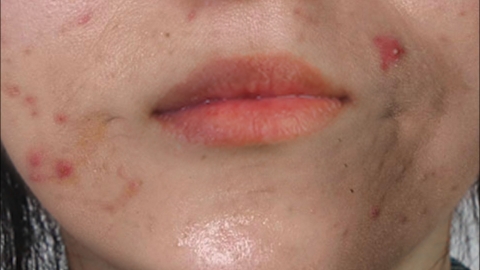
3. Topical Medication Therapy: Select appropriate topical agents under professional guidance to unclog obstructed hair follicles, reduce local inflammation, and improve comedones and papules. After cleansing the skin, apply a thin layer to affected areas and adhere strictly to the prescribed treatment course. Monitor skin tolerance during therapy and avoid overuse or irritation that may damage the skin.
4. Oral Medication Therapy: For severe inflammatory acne or widespread outbreaks, take systemic medications as directed by a healthcare professional to regulate sebum production and control deep-seated cutaneous inflammation. Strictly follow the prescribed regimen—do not discontinue treatment or adjust dosage without medical supervision, to prevent disease relapse.
5. Aesthetic Medical Interventions: Procedures such as chemical peels (e.g., glycolic acid) and fractional laser therapy can improve keratinocyte turnover and help repair post-acne marks and scars. These are suitable for individuals with refractory acne or residual skin damage. Post-treatment, diligent sun protection and moisturization are critical to minimize hyperpigmentation and consolidate overall therapeutic outcomes.
Maintain a clean, oil-free face; choose gentle skincare products; avoid touching acne lesions with bare hands; and maintain stable dietary and sleep habits to minimize triggers of acne development and reduce recurrence risk.


