


What should I do about melasma on my hands?

Chloasma (melasma) on the hands can be improved through daily sun protection, skin hydration and repair, topical medications for lightening, photonic-physical therapies, and aesthetic medical interventions. Hand chloasma is commonly associated with ultraviolet (UV) radiation exposure, hormonal fluctuations, and localized inflammation. As the hands are frequently exposed, UV exposure can exacerbate hyperpigmentation. If pigmented spots rapidly enlarge or exhibit uneven coloration, prompt medical evaluation and treatment are recommended.
1. Daily Sun Protection: UV radiation continuously stimulates melanocyte activity, worsening hand pigmentation. Wear UV-protective gloves when outdoors and apply hand-specific sunscreen to prevent direct sun exposure. Minimizing UV-induced pigment accumulation helps prevent further expansion of pigmented areas.
2. Skin Hydration and Repair: Regularly apply hand cream to moisturize and restore the skin barrier of the hands. A stable epidermal barrier reduces pigmentary abnormalities triggered by external irritants, alleviates dryness and roughness, and supports a healthier microenvironment for melanin metabolism.
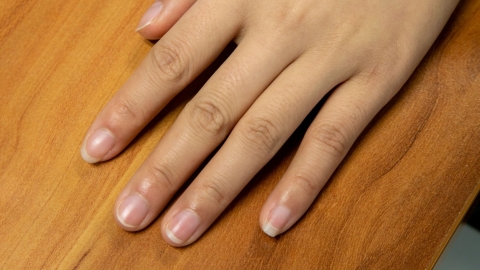
3. Topical Medications for Lightening: Under professional guidance, select appropriate topical agents that suppress melanocyte activity and lighten existing pigmented spots. After cleansing the hands, apply the product evenly and consistently. Monitor skin tolerance and avoid application on broken or compromised skin.
4. Photonic-Physical Therapy: Specialized light- or energy-based devices fragment melanin deposits in the skin, facilitating their natural metabolic clearance by the body. This approach is suitable for cases with extensive pigmentation or limited response to topical treatments. Treatment must be performed in prescribed courses, followed by strict sun protection for the hands.
5. Aesthetic Medical Interventions: Procedures such as glycolic acid peels accelerate keratinocyte turnover and promote shedding of melanin-laden cells. These treatments effectively address superficial hyperpigmentation on the hands. Post-treatment, intensified moisturization is essential to prevent post-inflammatory hyperpigmentation (PIH), gradually improving the appearance of hand chloasma.
In daily life, avoid contact between the hands and irritating chemicals; wear rubber gloves while performing household chores. Maintain consistent long-term sun protection and moisturization, and refrain from using unverified home remedies on the hands to minimize recurrence or worsening of pigmentation.


