


How to Clean Your Teeth

Teeth cleaning can generally be achieved through proper toothbrushing, flossing, using a water flosser, rinsing with mouthwash, and undergoing regular professional dental cleanings. Effective oral hygiene helps remove food debris and dental plaque, thereby preventing tartar (calculus) formation and other oral health problems. If symptoms such as gingival bleeding, tooth swelling or pain, or persistent halitosis occur, seek prompt medical evaluation and treatment at a dental clinic.
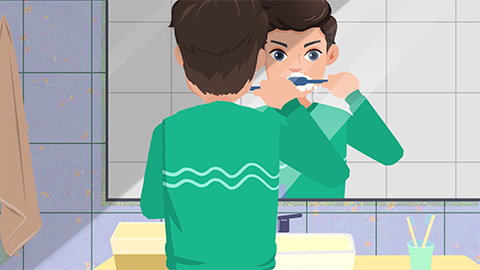
1. Proper Toothbrushing: Use a soft-bristled toothbrush and fluoride-containing toothpaste. Apply the Bass brushing technique to thoroughly clean all surfaces of each tooth. Brush for an adequate duration—twice daily (morning and evening). Avoid aggressive horizontal “sawing” motions, which may wear down enamel and injure the gums.
2. Flossing: Dental floss reaches interdental spaces inaccessible to toothbrushes. Floss daily to remove food particles trapped between teeth. Gently guide the floss into the interdental space—do not force or snap it—so as to dislodge hidden plaque and reduce the risk of interproximal caries and gingivitis.
3. Using a Water Flosser: A water flosser utilizes a targeted stream of water to flush out debris from interdental spaces and gingival sulci. It is especially beneficial for individuals with wide interdental spaces or those wearing orthodontic appliances. However, it does not replace conventional toothbrushing; rather, it serves only as an adjunctive cleaning tool. Adjust the device to an appropriate pressure setting to avoid irritating or injuring the gingiva.
4. Using Mouthwash: Rinse with mouthwash after meals to reduce certain oral bacteria and freshen breath. Long-term reliance on mouthwash is discouraged, as it cannot remove established dental plaque. Instead, it should be used solely as a supplementary measure in daily oral care.
5. Regular Professional Dental Cleanings: Tartar cannot be removed by routine home care and requires periodic professional scaling at a dental office. Specialized instruments are used to eliminate tartar deposits and stubborn extrinsic stains, thereby supporting periodontal health. The frequency of professional cleanings should be determined based on individual oral health status and clinical recommendations.
Rinse your mouth promptly after eating—especially after consuming highly pigmented foods—to minimize stain retention. Consistently maintain effective at-home oral hygiene practices and complement them with routine dental examinations to sustain a stable, healthy oral environment and lower the risk of various oral diseases.


