


How can protruding teeth be improved?
Aug 25, 2026
Source: Cainiu Health

Dr. Liu Chao
Introduction
Improvement of protruding teeth (malocclusion) can be achieved through various approaches, including eliminating harmful oral habits, orthodontic treatment, restorative coverage, orthognathic surgery, and daily occlusal maintenance. Protruding teeth are categorized into two types: dental and skeletal, with causes ranging from improper tooth alignment to abnormal jawbone development. If accompanied by symptoms such as occlusal pain, difficulty chewing, or facial deformity, prompt medical evaluation and treatment at a hospital are recommended.
Protruding teeth (commonly known as “buck teeth”) can be improved through various approaches, including eliminating harmful oral habits, orthodontic treatment, restorative coverage (e.g., veneers or crowns), orthognathic surgery, and daily occlusal maintenance. Protruding teeth are broadly classified into two types: dental (tooth-related) and skeletal (bone-related), with underlying causes involving malpositioned teeth and/or abnormal jaw development. If accompanied by symptoms such as occlusal pain, difficulty chewing, or facial deformity, prompt medical evaluation and treatment are strongly recommended.
1. Eliminating Harmful Oral Habits: Discontinue habits such as mouth breathing, lower-lip biting, and tongue thrusting—these behaviors exert persistent outward pressure on the teeth, exacerbating protrusion. Early correction during childhood can prevent further progression of protrusion and halt the development of concurrent dental and skeletal malformations.
2. Orthodontic Treatment: Braces (e.g., metal brackets) or clear aligners apply controlled external forces to gradually reposition teeth. This approach is ideal for dental-type protrusion, enabling retraction of protruding anterior teeth, correction of occlusion, and improvement of the convex facial profile. Regular follow-up visits according to the prescribed treatment schedule are essential for optimal outcomes.
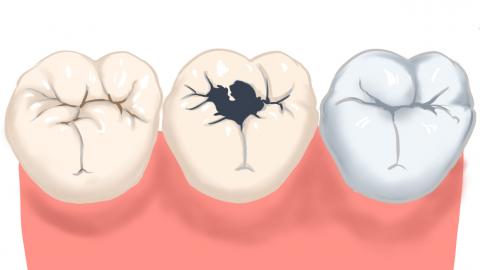
3. Restorative Coverage: Dental veneers or crowns can enhance the aesthetic appearance of mildly protruding teeth. However, this method only addresses surface appearance and does not correct underlying structural issues. As an invasive procedure requiring irreversible tooth structure removal, it cannot alter skeletal foundations and thus requires careful individual assessment before consideration.
4. Orthognathic Surgery: Skeletal-type protrusion cannot be fully corrected by orthodontics alone; it necessitates coordinated orthognathic surgery to reposition the jaws. Such surgery modifies the bony architecture of the maxilla and/or mandible, addressing the root cause of skeletal protrusion. Optimal results require integrated pre- and post-surgical orthodontic management.
5. Daily Occlusal Maintenance: After orthodontic treatment, consistent retainer wear is critical to prevent relapse. Maintain healthy chewing habits—avoid using teeth to bite hard objects—and schedule regular dental check-ups to preserve the stability of both dental alignment and skeletal adjustments.
Additionally, pay attention to your breathing pattern in daily life and avoid chronic mouth breathing. During orthodontic treatment, maintain rigorous oral hygiene and strictly adhere to your clinician’s instructions throughout the entire treatment course to minimize the risk of recurrence.


