


How to Treat Dental Caries

Dental caries (tooth decay) can be managed through various approaches, including daily oral hygiene practices, conservative pharmacological treatment, resin-based restorative fillings, root canal therapy, and crown restoration. Caries results from bacterial erosion of tooth structure, and the lesion progressively advances deeper into the tooth. If spontaneous tooth pain, gingival swelling, or severe pain upon biting occurs, prompt medical evaluation and treatment at a dental clinic are essential.
1. Daily Oral Hygiene: Maintain thorough brushing and flossing, and limit consumption of sugary foods and carbonated beverages. During the early demineralization stage, adopting good oral habits can slow the progression of caries, prevent minor lesions from expanding further, and preserve remaining healthy tooth structure.
2. Conservative Pharmacological Treatment: When caries is confined to the enamel surface without forming an obvious cavity, professionally guided topical medications may be applied. These agents suppress oral bacterial activity and slow down the demineralization process. This approach is primarily indicated for early-stage, superficial caries and cannot replace restorative procedures such as fillings.
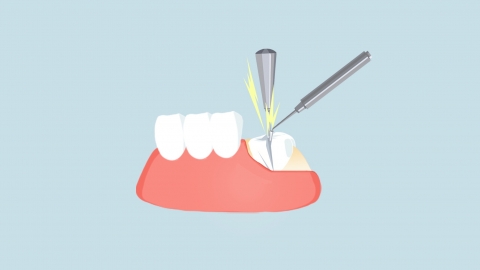
3. Resin-Based Restorative Fillings: Once a cavity has formed, the decayed tooth structure is removed and the defect is filled with dental resin material. This restores the tooth’s shape and chewing function while preventing further bacterial invasion. It is suitable for teeth with moderate caries.
4. Root Canal Therapy: When caries has progressed to involve the dental pulp—causing pain and inflammation—root canal therapy becomes necessary. This procedure removes the infected pulp tissue, eliminates inflammation within the root canal system, and preserves the natural tooth, thereby avoiding extraction due to infection.
5. Crown Restoration: Following root canal treatment, the tooth’s structural integrity is significantly compromised; therefore, a dental crown may be fabricated to fully encase the tooth. This reinforces the remaining tooth structure, prevents fracture, restores normal masticatory function, and prolongs the functional lifespan of the affected tooth in the mouth.
Brush your teeth thoroughly twice daily (morning and night), and rinse your mouth promptly after consuming sweets. Schedule regular dental check-ups to detect abnormalities early and address them promptly, minimizing complications arising from progressive caries.


