


What Are the Symptoms of Dental Caries?

Dental caries (tooth decay) may present with symptoms such as discoloration of the tooth surface, tooth sensitivity or sour pain, formation of dental cavities, spontaneous pain or discomfort, and gingival swelling or abscesses. Caries progresses gradually from superficial to deep layers of the tooth structure, and clinical manifestations vary across stages. If persistent toothache, purulent discharge from the gums, or tooth mobility occurs, prompt medical evaluation and treatment at a hospital are essential.
1. Tooth surface discoloration: White chalky spots appear on the tooth surface and progressively darken to yellowish-brown or blackish-brown patches. These lesions commonly occur in interdental spaces and occlusal grooves of molars. In early stages, no pain is felt—making them easy to overlook—and thus represent the earliest sign of dental caries.
2. Tooth sensitivity and sour pain: Brief, sharp pain occurs upon exposure to cold, hot, acidic, or sweet stimuli. The pain subsides once the stimulus is removed, indicating that caries has progressed close to the dentin; however, spontaneous pain is still absent at this stage.
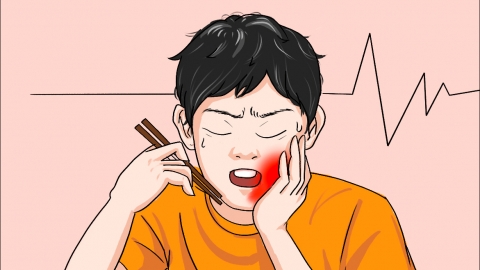
3. Formation of dental cavities: As caries advances, bacterial erosion causes progressive loss of hard dental tissue, resulting in visible cavities on the tooth surface. Food debris readily becomes impacted within these cavities, leading to halitosis; inadequate cleaning further accelerates the spread of decay into deeper layers.
4. Spontaneous pain and discomfort: When caries penetrates the dentin and reaches the dental pulp, spontaneous, intermittent pain occurs without apparent trigger. Pain often intensifies when lying down at night and interferes with eating—indicating pulp infection requiring urgent specialized intervention.
5. Gingival swelling and abscess formation: Uncontrolled pulp infection allows inflammation to spread along the root apex into the surrounding periapical tissues. A gingival abscess develops over the corresponding root apex, which may rupture and discharge pus, accompanied by pressure pain during occlusion; severe cases may result in tooth mobility.
Maintain good oral hygiene daily, limit intake of sugary foods, and rinse your mouth promptly after meals. Schedule regular dental check-ups and seek timely evaluation if tooth discoloration is observed, to prevent progressive carious damage to the dental pulp.


