


What Are the Risks of Tooth Extraction?

Tooth extraction is an invasive oral procedure that may lead to local bleeding and swelling, tooth migration in adjacent teeth, alveolar bone resorption, occlusal disorder, and facial nerve injury. Proper technique significantly reduces the risk of such complications. If persistent bleeding, severe pain or swelling, or prolonged numbness occurs, seek immediate medical attention.
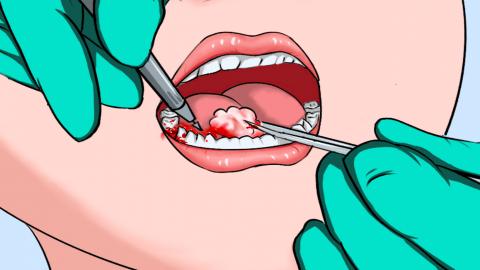
1. Local bleeding and swelling: Bleeding at the extraction site is common after tooth removal; some patients may also experience facial soft-tissue swelling. Inadequate postoperative care can predispose the wound to infection, resulting in increased pain, delayed healing, and, in severe cases, dry socket.
2. Adjacent tooth migration: After tooth extraction, the absence of opposing forces at the edentulous site causes neighboring teeth to gradually tilt and shift into the gap. This leads to malalignment, widened interdental spaces, increased food impaction, and a higher risk of dental caries and periodontal inflammation.
3. Alveolar bone resorption: Teeth provide essential physiological stimulation to maintain alveolar bone volume. Following tooth extraction, the lack of functional stimulation leads to progressive bone resorption—reducing both height and width of the alveolar ridge—and poses significant challenges for subsequent prosthetic rehabilitation (e.g., dentures or dental implants).
4. Occlusal disorder: Prolonged failure to replace missing teeth allows opposing teeth to over-erupt, disrupting normal occlusal contact between upper and lower dentition. This imbalance in masticatory forces increases stress on the temporomandibular joint (TMJ), potentially causing joint clicking, difficulty chewing, and other discomforts.
5. Facial nerve injury: Extraction of mandibular posterior teeth carries a risk of injuring the inferior alveolar nerve. This may cause numbness or altered sensation in the lip and chin regions. While most cases resolve spontaneously over time, a minority may experience persistent numbness, interfering with daily activities including eating.
After tooth extraction, strictly follow your dentist’s instructions for wound care and avoid hard or excessively hot foods. Promptly plan for dental restoration following tooth loss, and schedule regular dental check-ups to minimize long-term oral complications associated with extraction.


