


What should I do if my teeth are crowded?

Teeth crowding can be improved through various approaches, including correcting不良 oral habits, preventive tooth extraction, fixed orthodontic treatment, clear aligner therapy, and orthognathic surgery. Crowding commonly results from inadequate jaw development, retained deciduous teeth, or harmful oral habits. It compromises oral hygiene and occlusal function. If symptoms such as frequent food impaction, recurrent gingival inflammation, or malocclusion occur, prompt medical consultation and treatment are recommended.
1. Correcting不良 Oral Habits: Discontinue harmful practices—including mouth breathing, object biting, and unilateral chewing—as soon as possible to prevent ongoing restriction of jaw development. Maintaining adequate space for normal craniofacial growth helps prevent progressive worsening of dental crowding, making this approach especially suitable for adolescents still in their growth phase.
2. Preventive Tooth Extraction: During the mixed dentition stage, retained deciduous teeth or supernumerary teeth may be extracted to create sufficient space for permanent teeth eruption. This guides proper alignment of permanent teeth and proactively prevents crowding—intervening early during dental development to address misalignment.
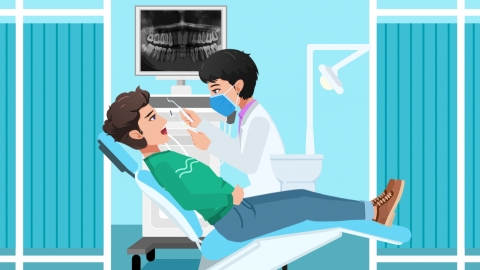
3. Fixed Orthodontic Treatment: Metal braces apply continuous, controlled forces to gradually align malpositioned teeth. This method reshapes overall dental arch form, resolves overlapping and crowding, and optimizes occlusion—making it appropriate for most moderate-to-severe cases of dental crowding.
4. Clear Aligner Therapy: Transparent, removable aligners are worn sequentially to incrementally reposition teeth. This approach offers enhanced comfort and aesthetic appeal while progressively aligning the dentition. It is ideal for mild-to-moderate crowding in patients with high compliance.
5. Orthognathic Surgery: For severe skeletal crowding resulting from markedly underdeveloped jaws, orthognathic surgery combined with pre- and/or post-surgical orthodontics is indicated. By modifying jaw size, shape, and spatial relationships, this intervention addresses the root cause of crowding and simultaneously improves both occlusion and facial aesthetics.
Routinely perform meticulous cleaning of interdental spaces in crowded areas, and attend regular follow-up appointments to monitor progress and adjust treatment plans as needed. Maintain a balanced diet to support healthy craniofacial development, and sustain long-term stability of aligned teeth and functional occlusion.


