


What Are the Benefits of Teeth Cleaning?
Aug 26, 2026
Source: Cainiu Health

Dr. Liu Chao
Introduction
Teeth cleaning (dental scaling) offers several benefits, including removal of dental calculus, improvement of gingival inflammation, reduction of oral malodor, early detection of dental diseases, and maintenance of periodontal health. It effectively removes deposits that cannot be eliminated by routine brushing, thereby helping to preserve the health of periodontal tissues. If you experience recurrent gingival bleeding, tooth mobility, or persistent halitosis, seek prompt medical evaluation and treatment at a hospital.
Teeth cleaning (dental scaling) offers several benefits, including removal of dental calculus, improvement of gingival inflammation, reduction of oral malodor, early detection of dental diseases, and maintenance of periodontal health. It effectively removes deposits that cannot be eliminated by routine brushing, thereby preserving the health of periodontal tissues. If you experience recurrent gingival bleeding, tooth mobility, or persistent halitosis, seek prompt medical evaluation and treatment.
1. Removal of Dental Calculus: Daily brushing is generally insufficient to remove calcified dental calculus. Professional teeth cleaning uses specialized instruments to disintegrate and remove calculus adhering to tooth surfaces and interproximal areas, eliminating this chronic irritant to the gingiva and reducing risk factors for periodontal disease.
2. Improvement of Gingival Inflammation: Prolonged irritation from dental calculus can cause gingival hyperemia, swelling, and bleeding during brushing. Once the irritant is removed through scaling, gingival inflammation gradually subsides, alleviating redness, swelling, and bleeding—and preventing progression of inflammation into deeper periodontal tissues.
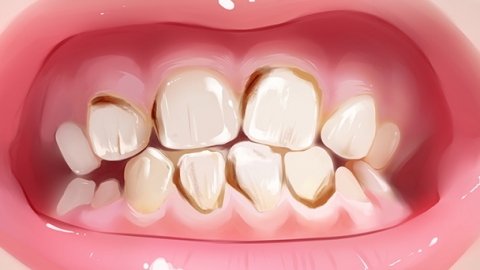
3. Reduction of Oral Malodor: Dental calculus and dental plaque harbor large numbers of bacteria that metabolize organic substances, producing unpleasant odors. Scaling removes these deposits, helping to alleviate halitosis. When combined with daily oral hygiene practices, it supports long-term maintenance of fresh breath.
4. Early Detection of Dental Diseases: During the scaling procedure, dentists perform a comprehensive examination of all teeth, enabling timely identification of hidden caries, cracked teeth, and periodontal issues. Many early-stage oral conditions are asymptomatic; scaling thus facilitates early intervention and prevents disease progression.
5. Maintenance of Periodontal Health: Regular professional scaling interrupts the progression of periodontal inflammation and slows alveolar bone resorption. It lowers the incidence of periodontal disease, helps preserve tooth stability, extends the functional lifespan of natural teeth, and sustains overall oral health.
After scaling, avoid extremely hot or cold foods for a short period. Continue thorough daily oral hygiene—including proper brushing and flossing. Schedule regular professional cleanings based on your individual oral health status, and combine them with consistent home care to sustain long-term periodontal and dental health.


