


What Are the Hazards of Not Brushing Your Teeth?

Failure to undergo regular professional dental cleaning can lead to gingival inflammation and bleeding, progressive tartar accumulation, periodontal tissue atrophy, recurrent halitosis (bad breath), and eventual tooth mobility or loss. Dental plaque calcifies to form tartar, which cannot be removed by routine brushing and continuously damages the periodontal environment. If symptoms such as purulent discharge from the gums or marked tooth mobility occur, prompt medical evaluation and treatment at a hospital are essential.
1. Gingival Inflammation and Bleeding: Persistent irritation from tartar and dental plaque causes gingival hyperemia, redness, and swelling. Bleeding often occurs during brushing or eating. As inflammation progresses, it may cause gingival pain and swelling, impairing daily eating habits and overall oral comfort.
2. Progressive Tartar Accumulation: Dental plaque in the oral cavity continuously calcifies and hardens into tartar, gradually increasing in thickness and adhering to the lingual surfaces of teeth and interdental spaces. Routine brushing is completely ineffective in removing tartar; its continued buildup intensifies irritation to the periodontium and accelerates the progression of oral disease.
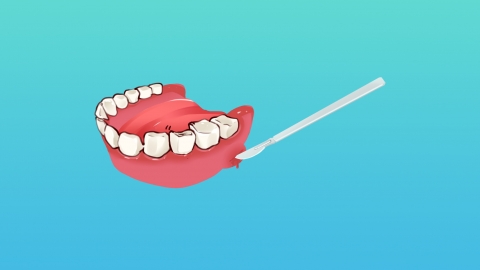
3. Periodontal Tissue Atrophy: Chronic inflammation spreads apically along the root surface, resulting in gingival recession and gradual exposure of the root. Once gingival recession occurs, spontaneous recovery is extremely unlikely. This leads to dentin hypersensitivity—sharp pain triggered by thermal (hot/cold), acidic, or sweet stimuli—and compromises the protective barrier of the periodontium.
4. Recurrent Halitosis: The crevices within tartar harbor large numbers of bacteria that metabolize food debris, producing volatile sulfur compounds and other malodorous substances. Even with diligent daily oral hygiene, this type of halitosis is difficult to eliminate, resulting in persistent unpleasant odor that adversely affects social interactions and personal oral well-being.
5. Tooth Mobility and Loss: Uncontrolled periodontal inflammation progressively destroys the alveolar bone surrounding the tooth roots. Continuous bone resorption weakens structural support for the teeth, leading to increasing mobility. In severe cases, teeth may become completely loose and eventually exfoliate, resulting in tooth loss.
Maintain consistent daily oral hygiene—including proper toothbrushing and interdental cleaning with dental floss—and schedule regular professional dental cleanings. Do not wait until significant discomfort arises before addressing oral health concerns; early intervention can prevent periodontal disease from progressing to advanced, irreversible stages.


