


In which situations is tooth extraction indicated?

Teeth extraction is indicated in cases such as severe dental caries rendering the tooth non-restorable, recurrently inflamed wisdom teeth, severely mobile teeth that cannot be retained, extractions required for orthodontic treatment (e.g., to alleviate crowding), and retained deciduous teeth. As an invasive procedure, tooth extraction must be performed only after thorough evaluation by a qualified dentist. If you experience severe tooth pain, recurrent gingival swelling, or purulent discharge, seek prompt medical attention.
1. Severe dental caries rendering the tooth non-restorable: Extensive carious destruction compromises the structural integrity of the tooth, resulting in significant loss of dental tissue. Even root canal therapy cannot restore function or viability. The remaining tooth structure holds no clinical value for retention; leaving it in place increases the risk of recurrent infection—thus, extraction is necessary.
2. Recurrently inflamed wisdom teeth: Impacted or malpositioned wisdom teeth frequently cause pericoronitis—painful, recurrent swelling and inflammation of the surrounding gingiva. They may also exert pressure on adjacent teeth, leading to decay or resorption. Chronic inflammation impairs daily life and jeopardizes neighboring healthy teeth; therefore, dentists commonly recommend extraction.
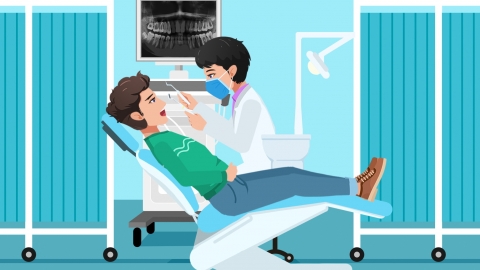
3. Severely mobile teeth that cannot be retained: Advanced periodontal disease causes substantial alveolar bone loss, resulting in marked tooth mobility. Such teeth have lost functional masticatory capacity and serve as persistent sources of infection. When stabilization through periodontal therapy is no longer feasible, extraction becomes essential.
4. Orthodontic extractions (reduction extractions): In cases of severe dental crowding where the jaw lacks sufficient space to align all teeth properly, orthodontists may selectively extract certain teeth to create adequate room. This facilitates optimal alignment of remaining teeth and improves occlusion.
5. Retained deciduous teeth: When permanent teeth have erupted but their corresponding deciduous counterparts remain unexfoliated, the retained primary teeth can obstruct proper eruption and alignment of permanent teeth, leading to malocclusion. Extraction of the retained deciduous teeth is necessary to allow normal development and positioning of the permanent dentition.
Prior to extraction, a comprehensive assessment of systemic health is essential. Postoperatively, strict adherence to the dentist’s instructions for wound care is critical. Furthermore, prolonged edentulism (leaving extraction sites untreated) should be avoided; timely planning and implementation of appropriate prosthetic or restorative solutions are vital to preserve occlusal stability and overall oral function.


