


What are the symptoms of schizophrenia?

Schizophrenia symptoms include hallucinations and delusions, disorganized thinking, abnormal emotional responses, diminished motivation and behavior, and social withdrawal. These symptoms can impair an individual’s cognition and daily functioning. If persistent auditory hallucinations, paranoid ideation (e.g., beliefs of being harmed), or inability to perform basic self-care activities occur, prompt medical evaluation and treatment are essential.
1. Hallucinations and Delusions: Patients may hear voices or see things that do not exist and develop beliefs disconnected from reality—such as being persecuted or under surveillance—even in the absence of objective evidence. These convictions remain resistant to reasoning or reassurance from others.
2. Disorganized Thinking: Speech is often incoherent and lacks logical structure; sentences appear unrelated, and answers to questions are frequently irrelevant. Thought processes are fragmented and erratic, making it difficult for others to comprehend the speaker’s meaning. Some individuals may talk to themselves or engage in conversations with empty space.
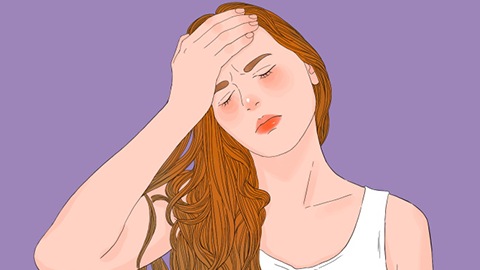
3. Abnormal Emotional Responses: Emotional expression is incongruent with the situation—for example, laughing during distressing events or appearing emotionally detached during joyful occasions. Individuals show reduced responsiveness to loved ones, display a flat or unchanging facial expression, have difficulty experiencing or expressing emotions such as joy, sadness, anger, or fear, and exhibit overall emotional blunting.
4. Diminished Motivation and Behavior: There is a marked reduction in drive and initiative; individuals avoid routine tasks and become increasingly lethargic and disengaged. Personal hygiene is neglected, interest in work or study wanes, behavior may appear odd or inappropriate, and some may display impulsive or bizarre actions.
5. Social Withdrawal: Individuals actively avoid interpersonal interactions, resist going out or engaging with others, and distance themselves from family and friends. Previously enjoyed activities lose appeal, prolonged isolation ensues, and gradual detachment from normal social environments leads to progressive decline in social functioning.
Families should offer patience, understanding, and consistent support—not criticism or blame. Encourage adherence to prescribed treatment, foster a stable and supportive home environment, ensure regular follow-up appointments, and assist in maintaining clinical stability to minimize the risk of relapse.


