


What Causes Depression?

Depression arises from multiple factors, including genetic predisposition, imbalances in brain neurotransmitters, personality traits, major life stressors, and interference from physical illnesses. Most patients develop depression due to the combined effects of several of these factors. If you experience persistent low mood, diminished interest or pleasure in activities, or thoughts of self-harm, seek professional medical evaluation and treatment promptly.
1. Genetic Factors: A family history of depression increases an individual’s risk of developing the condition. Genetics may influence one’s susceptibility to emotional dysregulation; however, having a family history does not guarantee onset—rather, it indicates heightened vulnerability to external stressors that may trigger depressive episodes.
2. Neurotransmitter Imbalance in the Brain: Dysregulation in the synthesis, release, or reuptake of key neurotransmitters—such as serotonin and dopamine—disrupts normal emotional regulation. Abnormal neurotransmission contributes significantly to core symptoms like depressed mood and anhedonia (loss of pleasure), forming an essential biological basis for depression.
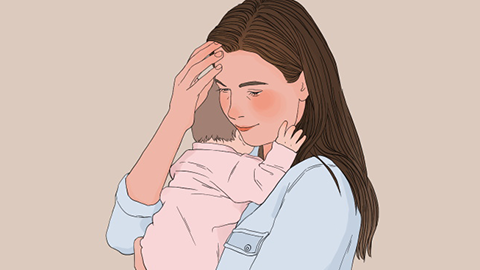
3. Personality Traits: Individuals with introverted, highly sensitive personalities who habitually internalize events—attributing setbacks to personal flaws—may be prone to excessive rumination and self-criticism. Their relatively weaker psychological resilience under stress makes them more susceptible to prolonged negative emotions, thereby increasing depression risk.
4. Major Life Stressors: Adverse life events—including bereavement, relationship breakdowns, job loss, or other significant upheavals—can inflict intense psychological distress. Prolonged exposure to high-stress environments exceeding one’s coping capacity may precipitate depressive symptoms and, if untreated, progress to clinical depression.
5. Physical Illnesses: Certain chronic medical conditions can alter physiological states and indirectly impair emotional well-being. Persistent pain, endocrine disorders, or neurological conditions may disrupt mind–body homeostasis, leading some individuals to develop secondary depressive symptoms.
In daily life, practice self-compassion by acknowledging and accepting your emotions; engage regularly in outdoor activities; and proactively share your feelings with trusted friends or family members. If negative emotions persist without improvement, do not attempt to cope alone—seek timely, specialized care from a psychiatrist or mental health professional.


