


How is anxiety disorder treated in the elderly?

Anxiety disorder in older adults can be improved through daily routine regulation, psychological counseling interventions, relaxation-based physical training, specialized pharmacological treatment, and social-environmental adaptation. Due to age-related declines in both physical and mental functioning, symptom recovery tends to be relatively slow in elderly individuals. If persistent symptoms such as prolonged insomnia throughout the night, frequent physical discomfort, or emotional dysregulation occur, prompt medical evaluation and treatment are essential.
1. Daily Routine Regulation: Establish a consistent sleep-wake schedule—go to bed early and rise early, avoiding late-night activities. Engage daily in light outdoor exercise. Maintain a balanced, mild diet while avoiding stimulants; enrich daily life meaningfully to minimize idle time that may foster negative emotions and anxious thoughts.
2. Psychological Counseling Interventions: Proactively release suppressed emotions by openly communicating and sharing feelings with family members and friends. Acknowledge and accept natural aging processes and chronic health conditions, gradually cultivating a calm mindset. Correct maladaptive, excessively worrisome thought patterns and alleviate chronically heightened mental tension.
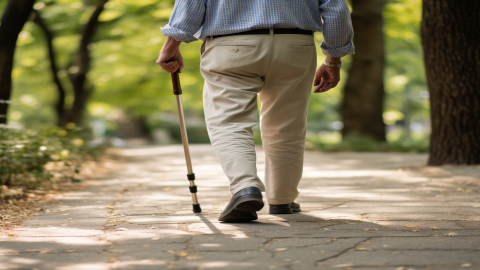
3. Relaxation-Based Physical Training: Practice daily relaxation techniques such as deep breathing and progressive muscle relaxation to stabilize irregular heart rate. Alleviate somatic symptoms—including palpitations, muscle rigidity, and restlessness—and help restore overall physical and mental calmness.
4. Specialized Pharmacological Treatment: Medications should be prescribed by qualified physicians, carefully tailored to account for age-related changes in hepatic and renal function as well as coexisting medical conditions. Strictly adhere to prescribed dosages, undergo regular follow-up assessments of physiological parameters, and adjust medication regimens gradually under professional supervision—never discontinue or switch medications without medical guidance.
5. Social-Environmental Adaptation: Create a quiet, comfortable living environment to minimize emotional fluctuations triggered by noise or frequent environmental changes. Actively participate in group activities designed for older adults, expand social engagement, reduce feelings of loneliness, and thereby decrease the frequency of anxiety episodes.
Maintain a steady, unhurried pace of daily life and cultivate relaxing hobbies and interests. Family members should provide ongoing emotional support and companionship, closely monitor mood changes, and collaborate with professional interventions to steadily improve anxiety symptoms in older adults.


