


What Are the Rehabilitation Treatment Methods for Autism?

Rehabilitation approaches for autism spectrum disorder (ASD) include behavioral intervention training, language and communication training, social skills training, sensory integration training, and family-involved rehabilitation. Rehabilitation requires long-term commitment and individualized treatment plans tailored to each child’s specific needs. If a child exhibits marked social avoidance, stagnation or regression in language development, or rigid, repetitive behaviors that significantly impair daily functioning, prompt medical evaluation and treatment are essential.
1. Behavioral Intervention Training: Utilizes systematic behavioral techniques to address repetitive, stereotyped movements and emotional impulsivity. This approach helps establish appropriate behavioral patterns, reinforces positive behaviors, and reduces problematic behaviors—thereby supporting the child’s gradual adaptation to everyday environments.
2. Language and Communication Training: Provides targeted practice to improve speech and language skills, progressing stepwise from sound production and vocabulary comprehension to simple verbal expression. Children are guided to understand spoken language and learn to use words to express their needs—effectively addressing delays in language development and difficulties with communication.
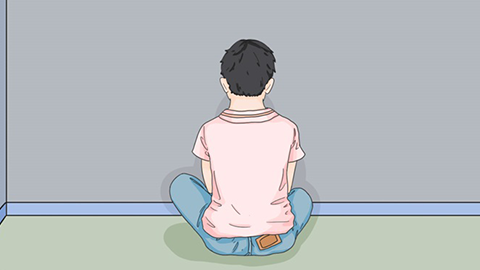
3. Social Skills Training: Simulates real-life social situations to practice eye contact, turn-taking, and recognition of others’ emotions. Children are encouraged to initiate interactions with peers and learn fundamental social rules, thereby enhancing their ability to engage and adapt in interpersonal settings.
4. Sensory Integration Training: Addresses hypersensitivity or hyposensitivity to sensory stimuli through structured activities designed to regulate responses across tactile, auditory, visual, and other sensory domains. This helps reduce overreactions to certain stimuli, improves motor coordination, and promotes emotional stability.
5. Family-Involved Rehabilitation: Parents acquire evidence-based knowledge and integrate therapeutic strategies into daily home routines. Consistent practice at home reinforces newly acquired skills, fosters a stable and supportive environment, and complements professional interventions—ensuring sustained progress and long-term rehabilitation outcomes.
Rehabilitation demands patience and realistic expectations—avoiding undue pressure or haste. Frequent positive reinforcement, incorporation of the child’s interests into learning activities, regular assessment of progress, and timely adjustment of intervention strategies all contribute meaningfully to improving the child’s social adaptability and overall quality of life.


