


Is Difficulty Getting Along with Others a Personality Issue or a Mental Health Issue?

Difficulty getting along with others is mostly attributable to differences in personality traits; only in rare cases is it triggered by mental or psychological disorders. Personality-related issues manifest solely as reduced social adaptability, whereas mental health conditions are accompanied by cognitive and emotional abnormalities that persistently interfere with interpersonal interactions. If you experience prolonged social avoidance or frequent interpersonal conflicts, it is essential to seek timely medical evaluation to assess your mental state.
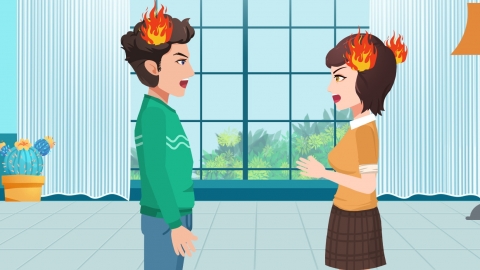
Social discomfort stemming from personality factors is extremely common. Traits such as introversion, high sensitivity, slow social engagement (“slow-to-warm-up”), and stubbornness may lead to passive social behavior and rigid or awkward communication. Such cases involve no underlying psychopathology—only individual differences in interpersonal styles and approaches to daily life. By proactively adjusting communication patterns and adapting to various social contexts, individuals can gradually improve their interpersonal functioning without impairing basic daily living.
Interpersonal difficulties arising from mental or psychological disorders exhibit distinct pathological features. Common conditions include anxiety disorders, paranoid tendencies, and mood disorders, which may manifest as excessive suspicion, irritability, social phobia, or cognitive rigidity. Clinically, cognitive distortions can be corrected through psychotherapy, while appropriate pharmacotherapy helps stabilize mood and restore social functioning—thereby alleviating interpersonal conflicts and emotional distance.
In daily life, actively engaging in diverse social interactions, learning gentle and empathetic communication skills, maintaining an open and tolerant mindset, gradually adapting to varied interpersonal environments, and steadily enhancing social adaptability are all effective strategies for improving interpersonal relationships.


