


Does feeling down mean you have depression?

Occasional low mood does not constitute depression; it is a normal emotional response of the human body and typically resolves spontaneously with changes in environment or mindset. In contrast, persistent low mood lasting for an extended period—accompanied by abnormalities in cognition, behavior, and physical functioning—is characteristic of clinical depression. When low mood persists without relief and begins to interfere with daily functioning, timely medical evaluation and intervention are essential.
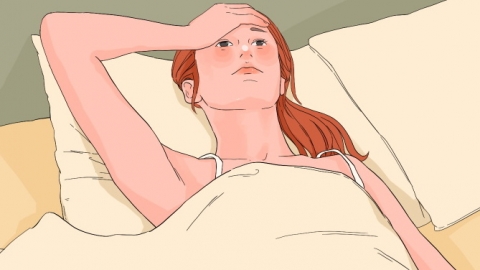
Transient low mood is commonly triggered by external factors such as life stressors, interpersonal conflicts, or disrupted sleep-wake cycles, and usually lasts only a short time. Individuals can often self-regulate through rest, talking with others, or redirecting attention, gradually restoring emotional equilibrium. Such mood fluctuations do not impair mental health nor cause sustained disruption to daily life or work—they fall within the range of normal psychological variation.
In depression, low mood arises without an identifiable trigger and persists for weeks or longer. It is frequently accompanied by symptoms including slowed thinking, diminished interest or pleasure, reduced motivation and energy, and disturbances in sleep and appetite. Clinically, comprehensive treatment—including antidepressant medication and professional psychological counseling—is employed to gradually alleviate depressed mood, restore normal cognitive function and daily functioning, and prevent further progression of the illness.
In daily life, cultivating regular physical activity and positive thinking habits, actively acknowledging and accepting one’s emotional changes, diversifying leisure activities, and consistently nurturing emotional stability all contribute to maintaining balanced mental and physical health.


