


Can allergic asthma be cured?

Allergic asthma cannot be completely cured; it is a chronic allergic airway disease. However, with standardized management and scientific treatment, patients can maintain long-term disease stability and essentially resume normal daily life. The condition is prone to recurrent exacerbations triggered by external factors, necessitating lifelong monitoring and management. Prompt medical consultation is required if wheezing becomes frequent or symptoms such as chest tightness and cough worsen, so that the treatment plan can be adjusted accordingly.
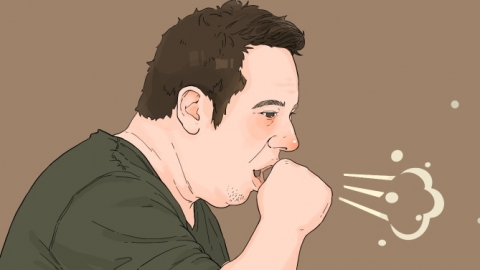
Allergic asthma arises from the combined effects of airway hyperresponsiveness and an allergic constitution. The airway mucosa remains chronically hypersensitive; upon exposure to allergens—such as pollen, house dust mites, or cold air—the airways constrict and spasm, leading to symptoms including wheezing, chest tightness, and cough. This disease is characterized by recurrent episodes; without standardized management, repeated airway injury may occur, potentially resulting in structural airway remodeling over time and impairing normal respiratory function.
In clinical practice, long-term anti-inflammatory therapy and bronchodilation are the mainstays of treatment. Inhaled medications are used regularly to stabilize airway status and reduce airway hyperreactivity. Allergen-specific immunotherapy (desensitization therapy) may be added to modify the underlying allergic constitution and lower the likelihood of allergic triggers. Adherence to a full course of prescribed interventions effectively reduces the frequency of asthma exacerbations and helps preserve normal lung function and respiratory health.
In daily life, maintaining a clean, well-ventilated living environment is essential. Regular household cleaning to eliminate allergens, coupled with consistent, moderate physical exercise, strengthens the respiratory tract’s natural defenses and stabilizes airway function—thereby reducing symptom frequency.


