


What Are the Symptoms of Influenza A?

Typical symptoms of influenza A include sudden high fever, generalized myalgia (muscle aches), respiratory discomfort, gastrointestinal disturbances, and deterioration in mental status. The onset of illness following viral infection is rapid; in some individuals, symptoms may be more severe than those of the common cold. If persistent high fever, severe coughing, or shortness of breath occur, prompt medical evaluation and treatment at a hospital are essential.
1. Sudden high fever: The disease has an abrupt onset, with body temperature rising rapidly within a short time—often exceeding 39°C (102.2°F). Fever tends to persist for an extended duration, and conventional antipyretic measures may provide only limited relief. Chills and pronounced shivering are commonly observed.
2. Generalized muscle aches: Widespread soreness and pain affect multiple muscles and joints; marked limb weakness is typical, and even minimal physical activity induces significant fatigue. This prominent systemic discomfort is a hallmark feature distinguishing influenza A from the common cold.
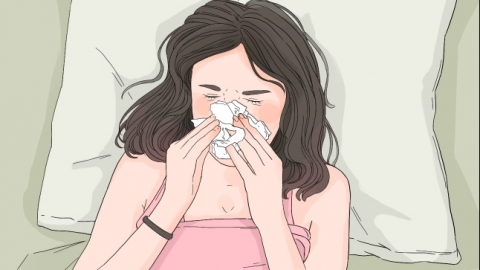
3. Respiratory discomfort: Symptoms include dryness and soreness of the throat, nasal congestion and rhinorrhea, and dry cough—sometimes persisting for days. Pharyngeal hyperemia and swelling are common, along with increased respiratory secretions; a minority of patients may experience chest tightness or dyspnea.
4. Gastrointestinal disturbances: Some infected individuals develop nausea, vomiting, diarrhea, and reduced appetite. Gastrointestinal manifestations are particularly common among children, who often experience postprandial discomfort, further exacerbating bodily exhaustion.
5. Deterioration in mental status: Patients typically exhibit lethargy, excessive drowsiness, and impaired concentration. Due to substantial energy depletion, they often avoid routine activities. In severe cases, lethargy becomes markedly pronounced, warranting close monitoring of clinical progression.
After becoming ill, ensure adequate rest, increase intake of warm water, and consume light, easily digestible foods. Practice home isolation to minimize cross-transmission; ventilate indoor spaces regularly and closely monitor body temperature and other physiological changes.


