


Can you eat Chinese chives when you have a cold and fever?

During a cold or fever, it is not advisable to consume Chinese chives (Allium tuberosum). Chives are considered “warming” and “heat-inducing” in nature and contain coarse, tough dietary fiber—both of which may exacerbate internal heat accumulation and place additional strain on gastrointestinal digestion. During illness, the diet should emphasize light, mild, and moistening foods, better supporting the body’s recovery needs. If fever persists or recurs, or if gastrointestinal discomfort is pronounced, prompt medical consultation is essential for targeted treatment.
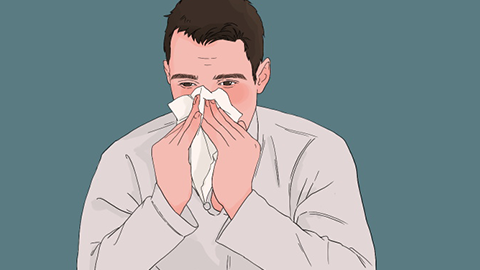
During a cold or fever, metabolic function becomes disordered and gastrointestinal digestive capacity declines. The body often enters a state of internal heat accumulation. As a warming food, excessive consumption of chives can further aggravate this internal heat, intensifying symptoms such as sore throat, dry mouth, and elevated body temperature. Moreover, the coarse fiber in chives is difficult to digest and may trigger abdominal distension or food stagnation, thereby delaying recovery.
For common colds and fevers, home rest and dietary regulation with light, easily digestible meals are the primary approaches; adequate fluid intake also helps promote metabolism and dissipate heat. In more severe cases, symptomatic medications—such as antipyretics, decongestants, or analgesics—may be taken under medical guidance to relieve fever, nasal discharge, and sore throat. Dietarily, avoid warming, spicy, or coarse foods; instead, opt for gentle, nourishing options such as congee, fresh fruits and vegetables, and clear soups to support rapid recovery.
During illness, maintain a light, soft, and easily digestible diet; eat smaller, more frequent meals to reduce gastrointestinal burden. Ensure sufficient sleep and quiet rest to sustain normal metabolic function, thereby assisting the immune system in eliminating pathogens and accelerating convalescence.


