


Can you eat chicken when you have a fever?

During a fever, it is acceptable to consume chicken in moderation. Chicken is rich in high-quality protein, which helps replenish nutrients depleted by the illness and supports recovery. Prepare chicken using light cooking methods—avoid heavy oil, spicy seasonings, or overly rich preparations. If high fever persists without subsiding or is accompanied by severe vomiting or diarrhea, seek prompt medical evaluation and treatment.
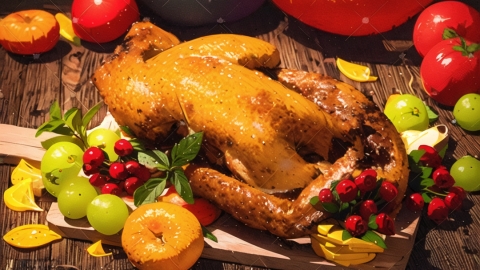
During fever, metabolic rate increases, and the immune system consumes substantial nutrients to combat infection. Chicken provides abundant protein; moderate intake supplies energy and aids the body’s defense against pathogens. However, frying, braising in soy sauce, or preparing with Sichuan-style spicy seasonings may overburden the digestive system and irritate the throat—hindering recovery. Individuals with weak gastrointestinal function should avoid consuming large quantities of chicken at once.
In clinical practice, fever management depends on its underlying cause: viral infections are typically managed symptomatically with rest and supportive care, whereas bacterial infections may require targeted antimicrobial therapy. Diet should prioritize easily digestible foods, supplemented with fresh fruits and vegetables, while minimizing intake of greasy or overly sweet foods. Appropriate nutritional support accelerates recovery and helps prevent prolonged illness.
Drink ample warm water daily, ensure sufficient rest, adopt a pattern of small, frequent meals to reduce gastrointestinal strain, maintain good indoor ventilation, and support the body’s return to normal physiological function as quickly as possible.


