


What Are the Uncommon Presentations of Lung Cancer?

Lung cancer may present with uncommon symptoms such as bone and joint abnormalities, endocrine disorders, neuromuscular disorders, skin changes, and unexplained weight loss. Some patients may not exhibit classic symptoms like cough or hemoptysis, making these manifestations easy to overlook. If persistent bone or joint pain and swelling, recurrent unexplained fatigue, or rapid unintentional weight loss occur, prompt medical evaluation and treatment are essential.
1. Bone and Joint Abnormalities: Patients may experience swelling and pain in the joints of the limbs, clubbing (enlargement and deformity) of the fingertips, and recurrent bone or joint pain. Conventional orthopedic treatments often fail to relieve these symptoms. Such manifestations constitute a paraneoplastic syndrome triggered by the tumor and are frequently misdiagnosed as rheumatic or other degenerative joint diseases.
2. Endocrine Disorders: Disruption of hormonal balance may lead to central obesity (particularly facial and truncal), abnormally elevated blood pressure, and fluctuating blood glucose levels. Some individuals may develop electrolyte imbalances accompanied by generalized fatigue—despite absence of respiratory symptoms—indicating systemic metabolic abnormalities attributable to the tumor.
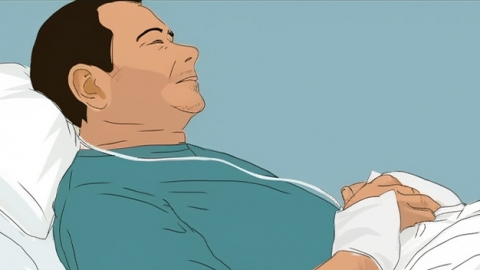
3. Neuromuscular Disorders: Symptoms include limb numbness and weakness, impaired gait and balance, and muscle aches or atrophy. Although no structural brain lesions are present, neurological damage induced by the tumor progressively impairs daily functioning and motor capabilities.
4. Skin Changes: Manifestations include hyperpigmentation, pruritus, rashes, and localized areas of thickened, darkened skin. These dermatological issues typically show no improvement with standard dermatologic management; moreover, no clear allergic triggers are identifiable—suggesting a systemic cutaneous reaction indirectly mediated by the tumor.
5. Unexplained Weight Loss: Rapid, unintentional weight loss occurs despite no deliberate dietary restriction, often accompanied by reduced appetite. Even in the absence of cough or chest tightness, ongoing catabolic activity leads to progressive physical depletion and deteriorating mental well-being—serving as an abnormal signal of tumor-related systemic consumption.
Pay close attention to any unusual bodily signals in daily life and undergo regular health screenings. Maintain a balanced diet and ensure adequate rest. Avoid exposure to tobacco smoke and airborne particulates. Should any atypical symptoms arise, seek comprehensive medical evaluation promptly to rule out underlying pathological conditions.


