


What precautions should be taken after stent placement?

After undergoing stent placement, patients should adhere to standardized medication regimens, adjust dietary habits, maintain regular moderate exercise, manage underlying medical conditions, and attend scheduled follow-up visits. Long-term vascular maintenance is essential post-stenting to reduce the risk of restenosis. If symptoms such as chest tightness or pain, shortness of breath, palpitations, or limb numbness occur, seek immediate medical evaluation and treatment.
1. Adhere strictly to prescribed medications: Take all medications exactly as directed by your physician—neither reducing nor discontinuing them without medical advice. These medications inhibit platelet aggregation and reduce thrombus formation. During treatment, monitor for any unusual signs, such as gum bleeding or skin bruising.
2. Adjust dietary habits: Adopt a light, balanced diet; limit intake of high-fat, high-salt, and high-sugar foods. Increase consumption of fresh vegetables, whole grains, and high-quality protein sources. Maintain a healthy body weight, avoid binge eating, minimize risks of elevated blood lipids, and reduce strain on blood vessels.
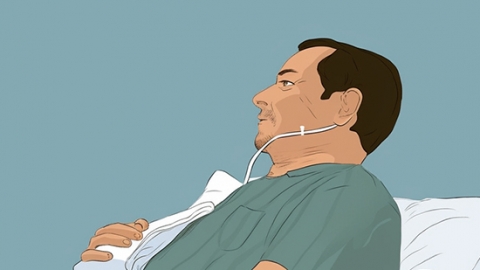
3. Engage in regular, moderate exercise: During recovery, begin with gentle activities such as walking or slow-paced strolling, gradually increasing duration and intensity over time. Avoid strenuous or heavy-load exercises. Pay close attention to bodily responses during activity; discontinue immediately if discomfort arises to prevent excessive cardiac strain.
4. Manage underlying conditions: Regularly monitor and maintain optimal control of blood pressure, blood glucose, and lipid levels. Hypertension, diabetes, and hyperlipidemia can damage vascular endothelium; effective management of these parameters helps delay vascular disease progression and protects the stented vessel.
5. Attend regular follow-up evaluations: Complete all recommended examinations according to your physician’s schedule to assess vascular patency. Timely assessment of recovery status allows for prompt adjustment of subsequent interventions, facilitating early detection of abnormalities and minimizing the risk of disease recurrence.
Maintain emotional stability in daily life—avoid extreme mood fluctuations. Ensure adequate sleep, abstain from tobacco and alcohol, and cultivate a healthy, consistent lifestyle to sustain long-term cardiovascular health.


