


How is hepatic hemangioma treated?

Hepatic hemangiomas can be managed through various approaches—including regular follow-up monitoring, lifestyle modifications, interventional sclerotherapy, radiofrequency ablation (RFA), and surgical resection—following a stepwise treatment principle from conservative to more invasive interventions, tailored to the severity and characteristics of each individual case. If persistent abdominal distension or pain, rapid tumor enlargement, or abnormal digestive function occurs, prompt medical evaluation and treatment are essential.
1. Regular Follow-up Monitoring: Suitable for patients with small hepatic hemangiomas who are asymptomatic and require no specific intervention. Liver imaging examinations (e.g., ultrasound, CT, or MRI) are performed at fixed intervals to monitor tumor growth and detect any new or unusual symptoms, thereby enabling timely assessment of disease progression.
2. Lifestyle Modifications: Maintain regular sleep patterns and emotional stability; avoid staying up late or excessive physical fatigue. Adjust dietary habits by reducing intake of high-fat and spicy foods. Refrain from strenuous or heavy-lifting activities to minimize mechanical stress on the liver.
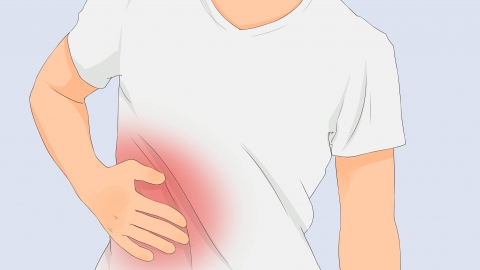
3. Interventional Sclerotherapy: A minimally invasive procedure targeting the hemangioma lesion directly to occlude its blood supply. This promotes gradual shrinkage and involution of the tumor. It involves relatively minor trauma and is particularly suitable for medium-sized lesions, with comparatively faster post-procedural recovery.
4. Radiofrequency Ablation (RFA): Utilizes localized thermal energy to destroy the internal architecture of the hemangioma, leading to progressive necrosis and eventual absorption of the lesion. RFA enables precise targeting of the affected area while sparing surrounding healthy liver tissue, making it appropriate for most patients with benign hepatic hemangiomas.
5. Surgical Resection: Indicated for large hemangiomas that compress adjacent organs or cause recurrent abdominal pain. Complete excision eliminates the lesion and mitigates risks such as spontaneous rupture or hemorrhage. This approach is typically reserved for patients with more advanced or complicated disease.
In daily life, adopt a light, low-fat diet; engage consistently in gentle, low-impact physical activity; and maintain a stable, regular sleep-wake schedule. Undergo routine liver-specific examinations, cultivate overall physical and mental well-being, and reduce hepatic burden to support long-term health stability.


