


Can hepatic hemangioma be cured?

Hepatic hemangiomas can be effectively treated. They are the most common benign liver tumors, with an extremely low risk of malignant transformation. Most patients do not require specific treatment and only need regular monitoring; larger lesions, however, can be eliminated through clinical intervention. Prompt medical evaluation and management are necessary if the hemangioma grows rapidly or is accompanied by abdominal discomfort.
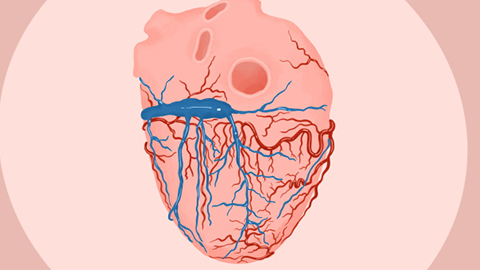
Hepatic hemangiomas typically arise from congenital vascular developmental abnormalities. They grow slowly, do not invade surrounding tissues, and pose no threat to life. Small hemangiomas usually cause no symptoms, do not impair hepatic metabolism or normal liver function, and remain stable over the long term. Fluctuations in hormonal levels and irregular sleep patterns may mildly stimulate lesion growth; thus, appropriate daily self-care is generally sufficient to control progression.
Clinically, intervention strategies are tailored according to hemangioma size and symptomatology. For smaller lesions, routine follow-up and observation are the mainstay of management. When larger lesions compress adjacent organs, minimally invasive ablation or surgical resection may be employed. With standardized intervention, the lesion can be completely eradicated, liver function gradually restored, and recurrence risk remains extremely low.
Maintain regular sleep-wake cycles, abstain from tobacco and alcohol, adhere to a light, low-fat diet, stabilize hormonal balance, avoid unhealthy lifestyle habits, support normal hepatic metabolism, and minimize factors that may stimulate lesion growth.


