


What causes coccygeal swelling and pain?

Coccygeal distension and pain may result from prolonged sitting causing local compression, poor sitting posture, overuse injury of the soft tissues surrounding the coccyx, sacrococcygeal fasciitis, or sacrococcygeal joint synovitis. Symptoms can be alleviated by reducing prolonged sitting, correcting sitting posture, and using appropriate medications. If the distension and pain persist or worsen, prompt medical evaluation is advised.
1. Local compression due to prolonged sitting: Maintaining a seated position for extended periods places continuous body weight on the coccyx and surrounding soft tissues, impairing local blood circulation. Compression-induced hyperemia of the soft tissues leads to a sensation of distension and discomfort in the coccygeal region. It is recommended to avoid prolonged sitting; instead, stand up and move around periodically to reduce pressure on the coccyx.
2. Poor sitting posture: When seated, if the body’s center of gravity shifts posteriorly, the coccyx endures persistent additional compressive force. This results in chronic traction on the local soft tissues, causing aching, distension, and pain. Maintain an upright sitting posture, and consider using a donut-shaped cushion to help distribute pressure more evenly.
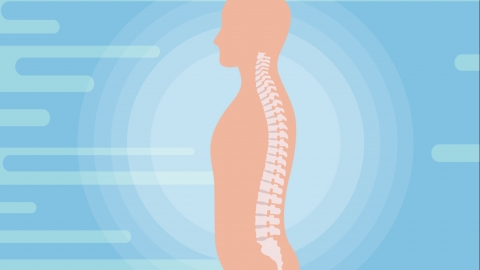
3. Overuse injury of soft tissues surrounding the coccyx: Repeated compression and traction on ligaments and muscles around the coccyx cause chronic, non-infectious tissue damage. Local inflammatory edema develops, resulting in coccygeal distension and pain—symptoms that typically intensify after prolonged sitting. Under a physician’s guidance, topical diclofenac sodium gel, sustained-release ibuprofen capsules, or eperisone hydrochloride tablets may be used to alleviate symptoms.
4. Sacrococcygeal fasciitis: Chronic irritation of the sacrococcygeal fascia triggers inflammatory changes, with resultant fascial hyperemia and edema. This manifests as coccygeal distension and pain, often exacerbated during forward bending or when changing positions (e.g., sitting to standing or lying down). Under medical supervision, flurbiprofen gel patches, celecoxib capsules, or loxoprofen sodium tablets may be prescribed to relieve discomfort.
5. Sacrococcygeal joint synovitis: Inflammatory reaction of the sacrococcygeal joint synovium leads to minimal intra-articular fluid exudation. This causes pericoccygeal distension and pain; some individuals may also experience discomfort when rising from sitting or lying positions. As directed by a physician, mecobalamin tablets, etoricoxib tablets, or compound chlorzoxazone tablets may be used to improve symptoms.
In daily life, avoid prolonged sitting, select an appropriate cushion, maintain warmth over the sacrococcygeal region, engage in moderate lumbar-sacral movement, relax surrounding soft tissues, and support normal sacrococcygeal joint function.


