


What Causes Morning Finger Swelling?

Swelling of the fingers upon waking may result from excessive fluid intake before bedtime, prolonged pressure on the hands during sleep, peripheral circulatory impairment, tenosynovitis, or rheumatoid arthritis. Symptoms can be alleviated by moderating fluid intake before bed, adjusting sleeping posture, and using appropriate medications. However, if swelling recurs frequently or persists for an extended period, prompt medical evaluation is advised.
1. Excessive fluid intake before bedtime: Consuming large amounts of water before sleep—when the body’s metabolic rate slows overnight—can hinder timely fluid excretion. Excess fluid accumulates in the distal extremities, leading to mild finger swelling upon waking. It is recommended to reduce fluid intake before bedtime and avoid drinking large volumes; light limb movement before sleep may help promote metabolism.
2. Prolonged pressure on the hands during sleep: Sustained pressure on the hands while sleeping impedes local blood and lymphatic circulation. Impaired venous and lymphatic return results in morning finger swelling and mild stiffness. Adjusting sleeping posture to avoid compressing the arms and fingers is advised. Upon waking, elevate and gently stretch the hands to restore circulation.
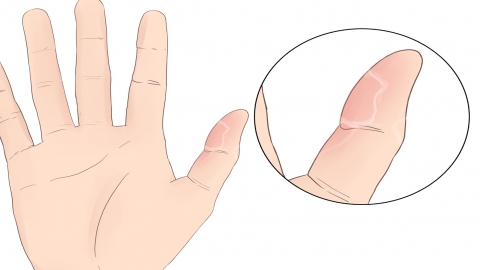
3. Peripheral circulatory impairment: Diminished regulatory function of peripheral blood vessels—particularly exacerbated by supine positioning during sleep—slows distal blood flow, causing fluid accumulation in the fingers and resulting in morning swelling and mild numbness. Under physician guidance, medications such as mecobalamin tablets, vitamin B1 tablets, or nicotinic acid tablets may be used to improve symptoms.
4. Finger tenosynovitis: Repetitive friction of the tendon sheath leads to sterile inflammation, with localized hyperemia and edema. Inflammation accumulates during nighttime immobility, causing morning finger swelling and discomfort during flexion/extension. Under medical supervision, topical diclofenac sodium gel, sustained-release ibuprofen capsules, or eperisone hydrochloride tablets may be used to relieve symptoms.
5. Rheumatoid arthritis: Chronic inflammatory changes affect finger joints, causing synovial hyperplasia and edema, along with persistent inflammatory exudation. Morning finger swelling and stiffness are characteristic, often improving slightly after brief activity. Per physician instruction, disease-modifying antirheumatic drugs (DMARDs) such as leflunomide tablets, celecoxib capsules, or methotrexate tablets may be prescribed to manage symptoms.
In daily life, moderate fluid intake before bedtime, avoidance of hand compression during sleep, regular daytime finger joint movement, proper hand warming, and promotion of peripheral circulation all help reduce the occurrence of finger swelling.


