


What should I do about pain under the right lower rib cage caused by coughing?

Pain beneath the right lower ribs caused by coughing can be managed through measures such as minimizing vigorous coughing, applying local heat therapy, taking oral antitussive medications, using anti-inflammatory and analgesic drugs, and ruling out organic pathology. Recurrent coughing may strain the soft tissues of the chest wall, leading to pain. If severe persistent pain, dyspnea, fever, or hemoptysis occurs, seek prompt medical evaluation and treatment at a hospital.
1. Reduce vigorous coughing: Attempt to control the intensity of coughing; gently support the right subcostal area with your hand while coughing to minimize traction on the thoracic cage. Avoid frequent, forceful dry coughing to reduce sustained muscular strain and alleviate pain caused by repeated irritation of local tissues.
2. Local heat application for relief: Apply a warm, moist towel to the painful subcostal region to improve local blood circulation, relax tense or spastic chest wall muscles, and relieve aching, stabbing, or sore discomfort resulting from muscular overuse. Maintain each heat application for an appropriate duration, avoiding areas with broken or compromised skin.
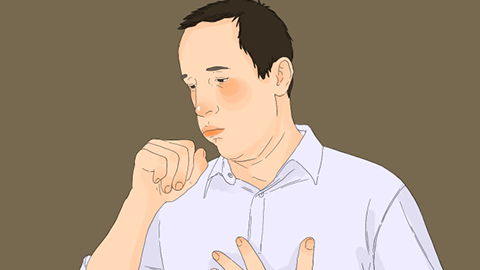
3. Oral antitussive medications: Address the underlying cause of cough-induced pain by selecting appropriate antitussive agents. Reducing both the frequency and intensity of coughing minimizes repetitive thoracic vibration and thereby decreases traction-related stimulation of the subcostal region.
4. Anti-inflammatory and analgesic medications: When muscular overuse pain is prominent, consider using appropriate anti-inflammatory and analgesic drugs. These help mitigate localized sterile inflammatory responses and alleviate somatic pain. Monitor bodily responses closely during treatment and strictly adhere to prescribed dosages under medical guidance.
5. Rule out organic pathology: If pain persists without improvement, further diagnostic evaluation is warranted to exclude abnormalities involving the pleura, liver, gallbladder, lungs, or other thoracic/abdominal organs. Distinguishing between musculoskeletal strain and visceral disease is essential to guide targeted management based on investigation results.
In daily life, maintain steady, controlled breathing and avoid large-amplitude movements such as twisting or bending. Exclude spicy or irritating foods from your diet, drink ample warm water, ensure sufficient rest, and continuously monitor changes in both pain and cough symptoms.


