


What Causes Heel Pain?

Heel pain may result from prolonged walking or standing, ill-fitting footwear, plantar fasciitis, retrocalcaneal bursitis, or Achilles tendinitis. Symptoms can be alleviated by reducing prolonged standing or walking, switching to properly fitting shoes, and using appropriate medications. If pain persists without improvement, prompt medical consultation is advised.
1. Prolonged walking or standing: Continuous weight-bearing places sustained pressure on the foot, causing repeated compression and impact on the soft tissues of the heel. This leads to localized soft-tissue fatigue and overuse injury, resulting in aching and painful sensations in the heel. It is recommended to minimize extended periods of walking or standing and to take intermittent rest breaks for the feet to reduce mechanical stress on the heel.
2. Ill-fitting footwear: Shoes with excessively rigid soles or high heels alter normal weight distribution across the foot, concentrating excessive impact forces on the heel. Repeated stimulation of the heel’s soft tissues may cause dull, persistent discomfort. It is advisable to select footwear with soft, cushioned soles and to avoid rigid-soled shoes and high heels.
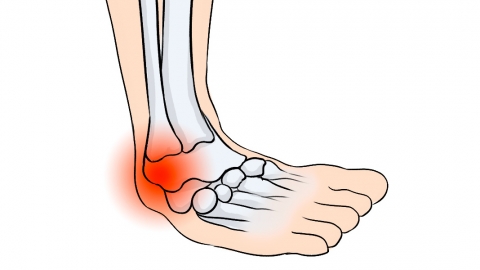
3. Plantar fasciitis: Repetitive traction on the plantar fascia triggers sterile inflammation, leading to fascial hyperemia and edema. Pain is typically most severe with the first steps upon arising in the morning and may ease somewhat after walking. Under medical supervision, topical diclofenac sodium gel, sustained-release ibuprofen capsules, or eperisone hydrochloride tablets may be used to alleviate symptoms.
4. Retrocalcaneal bursitis: Friction and compression of the retrocalcaneal bursa provoke an inflammatory response, resulting in bursal effusion and edema. Localized tenderness is present upon palpation of the heel, and pain intensifies during weight-bearing ambulation. Under physician guidance, patients may use flurbiprofen gel patches, celecoxib capsules, or loxoprofen sodium tablets to relieve discomfort.
5. Achilles tendinitis: Chronic inflammation of the Achilles tendon arises from repetitive mechanical stress and friction, causing tendon hyperemia and edema. Pain may radiate to the posterior aspect of the heel and worsen with toe-standing or walking. As directed by a physician, etoricoxib tablets, compound chlorzoxazone tablets, or mecobalamin tablets may be used to improve symptoms.
In daily life, avoid prolonged standing or walking; choose footwear with excellent shock absorption; perform gentle stretching exercises targeting the plantar fascia and Achilles tendon; maintain adequate warmth for the feet; and minimize mechanical loading and irritation of the heel region.


