


Can osteoarthritis be cured?

Osteoarthritis (OA) is a degenerative joint disorder that cannot be completely cured. Once articular cartilage is worn down, it cannot regenerate spontaneously. Standardized interventions can effectively control symptoms, slow the progression of joint aging, and maintain normal joint mobility. If joint stiffness worsens or pain during movement becomes frequent, timely medical consultation and treatment are essential.
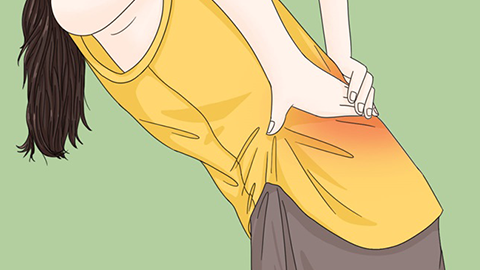
OA predominantly affects middle-aged and elderly individuals. Prolonged weight-bearing and mechanical wear on joints lead to cartilage thinning and osteophyte formation, resulting in symptoms such as pain, stiffness, and restricted mobility. The disease progresses gradually with age, and there is currently no known method to fully reverse the underlying pathological changes. In early-stage OA, discomfort typically occurs only after physical exertion or exposure to cold; symptoms usually resolve with adequate rest and generally do not significantly impair daily walking or limb function.
Clinical management focuses primarily on halting or slowing disease progression. For mild cases, joint protection strategies—including warmth preservation, weight control, and minimizing weight-bearing activities—are recommended. When symptoms become more pronounced, anti-inflammatory medications and chondroprotective agents may be prescribed to improve joint health. For patients with severe cartilage damage and significant functional impairment, surgical options such as joint repair or arthroplasty (joint replacement) may be considered to restore mobility and enhance quality of life.
In daily life, engaging in moderate, low-impact joint exercises, maintaining a healthy body weight, avoiding excessive stair climbing, prolonged standing or walking, and ensuring adequate joint warmth all contribute to long-term joint health and stability.


