


Is bilateral lumbar distension and pain indicative of kidney disease?

Bilateral lower back distension and pain are not necessarily caused by kidney disease; lumbar muscle strain and lumbar spine disorders can also produce this symptom. Back pain resulting from kidney disease is often accompanied by urinary abnormalities. Therefore, distension and pain alone cannot be used to diagnose kidney pathology. If the discomfort persists without relief or is accompanied by abnormal urination, prompt medical evaluation and further diagnostic testing are essential.
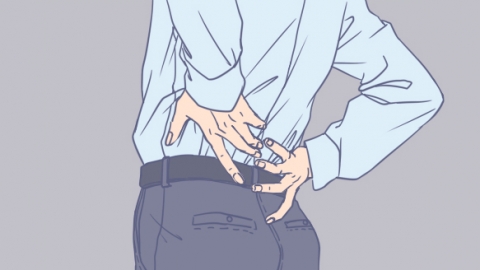
The kidneys are located in the posterior lumbar region. When kidney disease causes distension and pain, it is commonly associated with other signs such as foamy urine, hematuria, and lower-limb edema. However, in daily life, most cases of bilateral lumbar distension and pain stem from injury to the lumbar muscles or fascia. Prolonged sitting, repetitive bending during labor, or improper sleeping posture can lead to muscular tension and overuse injury of the lumbar paraspinal muscles. Palpation of these muscles typically exacerbates tenderness, while urination remains normal.
Clinically, urinalysis and genitourinary ultrasound are employed to differentiate among potential causes. For lumbar muscle strain, management focuses primarily on rest, physical therapy, and muscle relaxation. In contrast, if kidney-related pathology is confirmed, treatment is tailored specifically to the underlying condition. It is important not to automatically attribute all lumbar distension and pain to kidney disease; rather, a comprehensive assessment incorporating other clinical signs and symptoms is required.
In daily life, avoid prolonged sitting or bending; regularly stretch the lumbar and dorsal musculature; maintain adequate warmth around the lower back; drink water consistently; avoid urine retention; and thereby reduce the burden on both the lumbar region and the kidneys.


