


What are the hazards of cervical spondylosis?

Cervical spondylosis poses multiple health risks, including neck and shoulder pain or discomfort, numbness and weakness in the upper limbs, dizziness and vertigo episodes, sympathetic nervous system dysfunction, and spinal cord compression or injury. Cervical degeneration may compress surrounding tissues and nerves; therefore, if symptoms such as limb weakness, gait instability, or severe vertigo occur, prompt medical evaluation and treatment are essential.
1. Neck and Shoulder Pain or Discomfort: Cervical degeneration irritates surrounding muscles and soft tissues, leading to persistent aching pain in the neck and shoulder region. Pain often intensifies after prolonged periods of head-down posture or desk-based work and may be accompanied by neck stiffness, limiting cervical range of motion and interfering with daily activities.
2. Numbness and Weakness in the Upper Limbs: Cervical pathology compressing nerve roots can cause numbness in the arms and fingers. Some individuals may experience reduced grip strength, resulting in frequent dropping of objects. As the condition progresses, upper-limb motor function may further deteriorate.
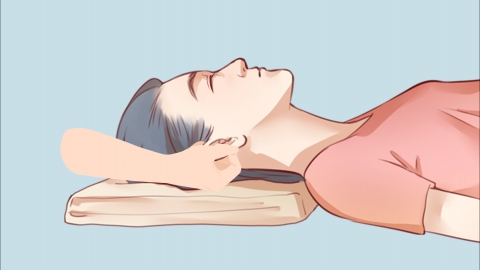
3. Dizziness and Vertigo Episodes: Compression or irritation of the vertebral artery leads to fluctuating cerebral blood supply. Dizziness is commonly triggered upon standing up or turning the head, often accompanied by visual dimming or blurriness. In severe cases, postural instability may occur, compromising safety during mobility and daily living.
4. Sympathetic Nervous System Dysfunction: Pathological stimulation of the sympathetic nervous system may manifest as palpitations, tinnitus, and disrupted sleep. Patients often report multisystem abnormalities, yet diagnostic evaluations frequently fail to identify a clear organic lesion—leading to persistent reductions in quality of life and imposing both physical and psychological burdens.
5. Spinal Cord Compression or Injury: Spinal cord compression results in a sensation of heaviness or weakness in the lower limbs, causing unsteady gait resembling “walking on cotton.” Progressive disease impairs motor control of the limbs; in advanced stages, urinary and fecal incontinence or retention may develop. Early intervention is critical to prevent irreversible neurological damage.
In daily life, avoid prolonged smartphone use with the head flexed downward; take regular breaks to gently mobilize the neck. Choose a pillow of appropriate height, perform moderate cervical stretching exercises, minimize excessive cervical loading, and undergo periodic cervical spine examinations to slow the progression of degenerative changes.


