


Is it normal to experience lower back pain after standing for a long time?

Lower back soreness and pain that occur after prolonged standing are mostly physiological and typically resolve quickly with rest. However, if the pain persists and is accompanied by numbness or radiating pain in the lower limbs, this is not normal and suggests underlying lumbar injury. Recurrent or worsening pain—especially when associated with leg numbness or weakness—warrants prompt medical evaluation.
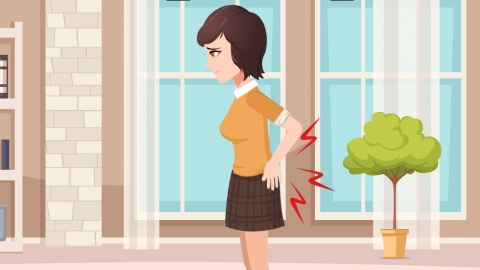
Prolonged standing causes the muscles of the lower back and lumbar region to remain in a state of continuous tension and contraction, significantly increasing mechanical stress on the lumbar vertebrae. As these muscles fatigue, they develop a sensation of soreness and dull ache. Typically, sitting or lying down for a period allows the muscles to relax, gradually alleviating the discomfort. Individuals with pre-existing conditions such as lumbar muscle strain or degenerative lumbar disc disease may experience more pronounced pain after standing, often with persistent, unresolved soreness.
In clinical practice, physiological muscle fatigue is distinguished from pathological lumbar conditions. For simple muscular fatigue, management focuses primarily on rest and local heat application to promote muscle relaxation. In contrast, individuals with confirmed lumbar spine pathology may benefit from adjunctive therapies—including physical therapy and topical medications—to alleviate localized symptoms. Daily habits should emphasize avoiding prolonged static standing; instead, regularly changing posture helps reduce sustained loading on the lumbar spine.
During routine work, take scheduled breaks to gently mobilize the lumbar and dorsal regions. Engage in moderate, targeted exercises to strengthen the lumbar and paraspinal musculature. Maintain proper standing posture, ensure adequate lumbar warmth, minimize prolonged muscular loading, and thereby reduce the incidence of lower back soreness.


