


Can the left kidney’s GFR of 12 mL/min/1.73 m² recover?

The glomerular filtration rate (GFR) of the solitary kidney is 12 mL/min/1.73 m², indicating severe renal impairment; the likelihood of full recovery to normal function is low. Timely, standardized treatment can help stabilize residual renal function and prevent further decline in GFR. If symptoms such as fatigue, edema, or changes in urine output occur, prompt medical evaluation and renal protective interventions are essential.
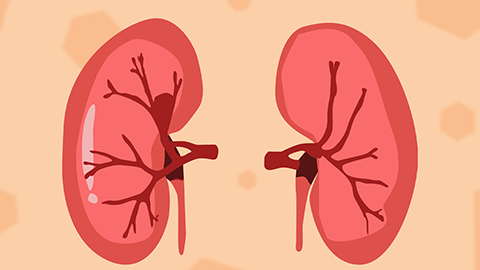
Glomerular filtration rate reflects the kidney’s capacity to filter metabolic waste products. A GFR of 12 mL/min/1.73 m² signifies extensive damage to nephrons in the solitary kidney, accompanied by renal tissue fibrosis and necrosis. Since renal parenchymal cells cannot regenerate after irreversible injury, functional recovery is generally not possible. In cases of acute kidney injury, GFR may show modest improvement with appropriate intervention; however, chronic kidney disease–related damage typically permits only stabilization—not restoration—of existing renal function.
In clinical practice, management of this degree of renal impairment centers on protecting residual nephron function. Key strategies include strict control of modifiable risk factors—such as hypertension, hyperglycemia, and proteinuria—alongside use of renoprotective medications to maintain stable renal metabolism. Regular monitoring of renal function and serum electrolytes enables timely correction of metabolic disturbances. Additionally, potential exacerbating factors—including infections and dehydration—must be proactively avoided to slow disease progression.
Long-term daily care involves adherence to a low-salt, low-fat diet rich in high-quality protein; maintaining regular sleep-wake cycles and avoiding physical overexertion; strictly avoiding nephrotoxic foods and medications; and sustaining overall metabolic stability—all aimed at preserving residual renal function over time.


