


What Are the Differences Between Acute and Chronic Nephritis?
Aug 28, 2026
Source: Cainiu Health

Dr. Yang Guang
Introduction
Differences between acute and chronic nephritis include distinct etiologies, varying disease durations, differing clinical manifestations, divergent prognoses, and dissimilar renal pathological changes. The pathogenesis and disease outcomes of the two conditions differ significantly. If symptoms such as facial edema, increased foaming in urine, or persistently elevated blood pressure occur, prompt medical evaluation and treatment at a hospital are essential.
Acute glomerulonephritis (AGN) and chronic glomerulonephritis (CGN) differ in several key aspects, including etiological triggers, disease duration, clinical manifestations, prognosis, and renal pathological changes. Their underlying pathogenic mechanisms and clinical outcomes are markedly distinct. If symptoms such as facial edema, increased foamy urine, or persistently elevated blood pressure occur, prompt medical evaluation and treatment are essential.
1. Differences in Etiological Triggers: Acute glomerulonephritis is commonly preceded by an infection—most frequently streptococcal—and often follows upper respiratory tract or skin infections. In contrast, chronic glomerulonephritis lacks a single, clearly defined trigger; it is typically associated with immune dysregulation and long-standing, subclinical renal injury, with an insidious onset that is easily overlooked.
2. Differences in Disease Duration: AGN has an abrupt onset and relatively short course, with most patients recovering within several months. CGN develops gradually, with a protracted, relapsing-remitting course lasting over one year, progressively damaging renal tissue over time.
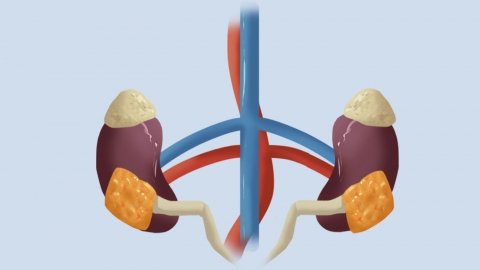
3. Differences in Clinical Manifestations: Following onset, AGN rapidly presents with edema, hematuria, and hypertension; some patients may also experience oliguria. In early CGN, symptoms are often mild or even absent—possibly limited to foamy urine and slight edema—and systemic symptoms only become apparent as the disease advances.
4. Differences in Prognosis: With appropriate and timely intervention, most AGN patients achieve full recovery and restoration of normal renal function. CGN, however, is rarely curable; it tends to progress slowly, and some patients eventually develop declining renal function.
5. Differences in Renal Pathological Changes: In AGN, renal pathology typically shows diffuse capillary proliferation, and these changes are largely reversible. CGN exhibits diverse histopathological patterns—including glomerulosclerosis and interstitial fibrosis—with some structural damage being irreversible.
In daily life, maintain a light, low-sodium diet; avoid excessive physical exertion and all types of infections. Ensure adequate rest, regularly monitor blood pressure and urinary changes, and undergo routine follow-up assessments of renal function to minimize external stressors on the kidneys.



