


What should be done for severe edema in membranous nephropathy?

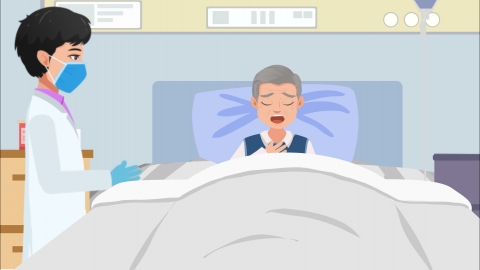
Severe edema in membranous nephropathy can be managed through strict dietary control, bed rest with limb elevation, diuretic therapy, proteinuria control, and targeted immunosuppressive treatment. Significant urinary protein loss leads to sodium and water retention. If symptoms such as chest tightness, shortness of breath, sudden reduction in urine output, or severe pleural effusion occur, prompt medical evaluation and treatment are essential.
1. Strict Dietary Control: Strictly limit dietary sodium intake; avoid pickled and processed foods, and appropriately restrict daily fluid intake. Reducing sodium and water retention helps alleviate the body’s fluid overload and eases edema in interstitial tissues throughout the body.
2. Bed Rest with Limb Elevation: While resting, elevate the lower limbs above heart level to promote venous and lymphatic return from the legs. This reduces fluid accumulation in the lower extremities, alleviates sensations of heaviness and swelling, and prevents worsening of edema caused by prolonged standing or sitting.
3. Diuretic Therapy: Under physician guidance, select appropriate diuretic medications to facilitate excretion of excess body water. Electrolyte levels must be closely monitored during treatment to prevent electrolyte imbalances; patients must not adjust dosages without medical supervision.
4. Proteinuria Control: The fundamental cause of edema in membranous nephropathy is massive urinary protein loss due to underlying glomerular injury. Interventions targeting the renal pathology are required to reduce proteinuria, increase serum albumin levels, restore plasma oncotic pressure, and thereby prevent recurrent edema.
5. Targeted Immunotherapy: When disease progression continues and proteinuria remains refractory to conventional management, immunomodulatory or immunosuppressive therapies should be initiated. These treatments suppress aberrant immune responses in the kidneys, mitigate glomerular injury, stabilize renal function, and reduce the frequency of edema recurrence.
In daily life, monitor body weight regularly and record daily fluid intake and output. Avoid physical overexertion and all types of infections; maintain emotional stability; and undergo periodic follow-up assessments—including serum albumin and renal function tests—to guide timely adjustments to the management plan.


