


Dietary Considerations for Patients with Kidney Stones

Patients with kidney stones should pay attention to their diet by ensuring adequate fluid intake, limiting high-oxalate foods, reducing high-purine foods, controlling sodium intake, and consuming calcium appropriately. Improper dietary habits may promote stone formation and growth. If symptoms such as severe colicky pain in the flank or abdomen, gross hematuria, or difficulty urinating occur, prompt medical evaluation and treatment are essential.
1. Adequate Hydration: Maintain sufficient daily fluid intake to increase urine volume. Urine helps flush the urinary tract, reduces crystal deposition and aggregation, lowers the risk of stone enlargement, and facilitates the spontaneous passage of small stones.
2. Limit High-Oxalate Foods: Reduce consumption of high-oxalate foods such as spinach, amaranth, strong tea, and nuts. Oxalate readily binds with calcium in the body to form crystals; excessive intake increases the risk of stone formation. Blanching these foods before cooking can help reduce their oxalate content.
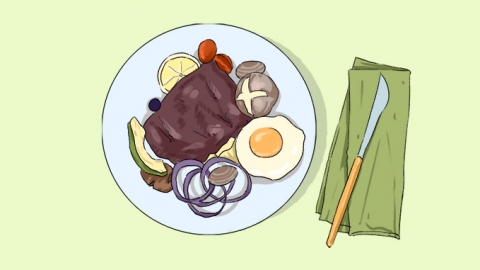
3. Reduce High-Purine Foods: Minimize intake of high-purine foods such as organ meats, seafood, and rich meat broths. Purine metabolism produces uric acid; accumulation of uric acid predisposes individuals to uric acid stones. Opt for light cooking methods and avoid concentrated soups and broths.
4. Control Sodium Intake: Limit consumption of pickled vegetables, processed meats, and high-sodium condiments to reduce overall daily salt intake. Excess sodium increases urinary calcium excretion; elevated urinary calcium promotes crystal precipitation and heightens stone formation risk.
5. Appropriate Calcium Intake: Do not indiscriminately eliminate calcium-containing foods from the diet. Consume calcium-rich foods such as milk and soy products in moderation. While excessive calcium supplementation raises stone risk, appropriate dietary calcium binds oxalate in the gut, thereby decreasing intestinal oxalate absorption.
Develop regular urination habits and avoid prolonged urine retention. Engage in moderate jumping-type physical activities. Undergo periodic imaging examinations of the urinary system and adjust dietary strategies according to stone composition to minimize recurrence risk.


