


Can renal insufficiency be cured?

Whether renal insufficiency can be reversed depends on its underlying cause. Acute renal insufficiency is often reversible, whereas chronic renal insufficiency cannot be completely cured. In chronic cases, treatment focuses on controlling disease progression and preserving residual kidney function. Persistent edema or abnormal urine output warrants prompt medical evaluation and standardized treatment.
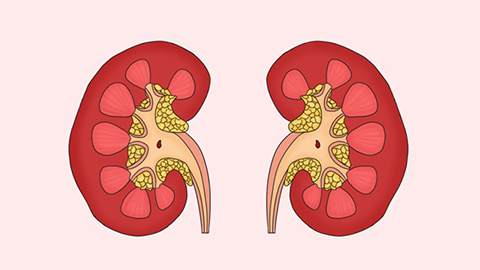
Acute renal insufficiency commonly results from dehydration, drug-induced nephrotoxicity, or short-term infections—conditions that do not cause permanent renal fibrosis. Prompt removal of the precipitating factor, combined with intravenous fluid resuscitation, correction of metabolic disturbances, and targeted renal-protective therapy, typically enables gradual recovery of kidney function to baseline levels without long-term renal damage; overall prognosis is favorable.
Chronic renal insufficiency usually stems from prolonged kidney injury due to conditions such as chronic glomerulonephritis, hypertension, or diabetes mellitus. This leads to progressive fibrosis and irreversible loss of functional nephrons. Clinical management emphasizes strict control of blood pressure, blood glucose, and proteinuria, supplemented by renoprotective medications to slow disease progression. Patients must also avoid known risk exacerbators—including physical overexertion, infections, and exposure to nephrotoxic agents—to decelerate the decline in renal function.
In daily life, patients should rigorously limit dietary sodium and protein intake, maintain regular sleep-wake cycles, adhere to a stable and moderate lifestyle, and consistently avoid all factors that increase renal workload—thereby supporting long-term preservation of stable kidney function.


