


How Are Renal Cysts Formed?

Renal cyst formation is associated with congenital genetic factors, degenerative changes in renal tubules, local obstruction or injury, renal inflammatory stimulation, and external physical or chemical influences. Abnormal proliferation of localized renal tissue may lead to the development of cystic lesions. If persistent dull pain in the lumbar region, hematuria, an abdominal mass, or abnormal elevation of blood pressure occur, prompt medical evaluation and treatment are recommended.
1. Congenital genetic factors: Some renal cysts exhibit familial inheritance patterns; genetic abnormalities can cause developmental deviations in renal tubules. During embryonic development, structural anomalies in renal tubules may gradually evolve into closed cystic cavities, ultimately forming renal cysts.
2. Degenerative changes in renal tubules: With advancing age, natural aging of renal tissue occurs, leading to degenerative alterations in renal tubules. Diverticula may form in the tubular wall; these diverticula progressively dilate and accumulate fluid, eventually developing into renal cysts.
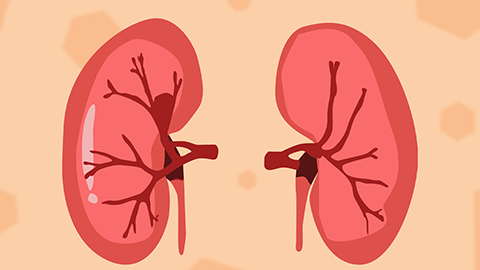
3. Local obstruction or injury: Obstruction of renal tubules impedes normal urine flow, resulting in localized fluid accumulation. Sustained elevation of intraluminal pressure causes outward bulging of the tubular wall, forming a cystic structure; continued fluid accumulation ultimately leads to the formation of a renal cyst lesion.
4. Renal inflammatory stimulation: Following renal inflammation, surrounding renal tubular tissue may be damaged. Inflammatory processes induce local tissue hyperplasia and adhesions, disrupting normal tubular architecture and promoting cyst cavity formation, thereby triggering renal cyst development.
5. External physical or chemical influences: Prolonged exposure to certain harmful substances or traumatic impact to the kidney may disrupt the normal physiological structure of renal tubules, causing abnormal local tissue proliferation and indirectly increasing the risk of renal cyst formation.
In daily life, maintain a light and balanced diet and reduce intake of high-salt foods. Avoid trauma to the lumbar region, adhere to regular sleep-wake cycles without staying up late, and undergo periodic renal ultrasound examinations to monitor changes in cyst size, thereby preserving stable renal function.


