


What are the symptoms of uremia?

Uremia may manifest with abnormalities in the digestive system, hematologic changes, cardiovascular involvement, neuropsychiatric disturbances, and cutaneous metabolic disorders. Severe deterioration of renal excretory function leads to accumulation of toxins in the body. If persistent nausea and vomiting, severe edema, chest tightness, or dyspnea occur, prompt medical evaluation and treatment are essential.
1. Digestive System Abnormalities: Accumulation of metabolic toxins irritates the gastrointestinal mucosa, resulting initially in decreased appetite. Nausea and gastroesophageal reflux commonly accompany this symptom; some individuals may notice a urine-like odor in the mouth. In severe cases, vomiting and diarrhea may develop—often misdiagnosed as common gastrointestinal disorders.
2. Hematologic Changes: Reduced erythropoietin secretion by the kidneys leads to anemia. Clinical manifestations include pallor, generalized fatigue, and easy exhaustion upon minimal physical activity. Impaired coagulation may also occur, increasing susceptibility to subcutaneous ecchymoses and gingival bleeding.
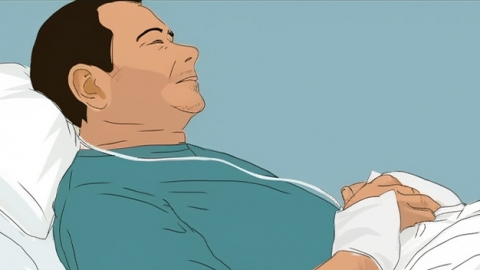
3. Cardiovascular Involvement: Imbalances in water and sodium metabolism, compounded by uremic toxin effects, can cause sustained hypertension. Patients may experience chest tightness, palpitations, and edema involving the lower extremities and generalized body. As disease progresses, pericardial effusion may develop, further increasing cardiac workload—a potentially life-threatening complication of uremia.
4. Neuropsychiatric Disturbances: Uremic toxins interfere with normal nervous system function. Early signs include insomnia and impaired concentration. With disease progression, patients may develop paresthesia (numbness), muscle cramps, somnolence, and even confusion—significantly impairing daily functioning and cognitive performance.
5. Cutaneous Metabolic Abnormalities: Toxins excreted via sweat glands cause dry, pruritic skin. Skin tone may become dull and yellowish; some patients develop scaling. Pruritus often intensifies at night, disrupting normal sleep and rest.
In daily life, monitor and restrict dietary salt and protein intake, and maintain regular sleep-wake cycles. Avoid cold exposure and infections; closely observe changes in body weight and urine output. Undergo periodic renal function assessments and strictly adhere to physician-recommended interventions and treatments.


