


Can patients with kidney stones eat peanuts?

Patients with kidney stones may consume small amounts of peanuts but should avoid excessive intake. Peanuts contain relatively high levels of oxalate and purine; overconsumption may increase the risk of stone formation. The quantity consumed should be adjusted according to the specific type of kidney stone. If symptoms such as colicky flank or abdominal pain or hematuria occur, prompt medical attention is required.
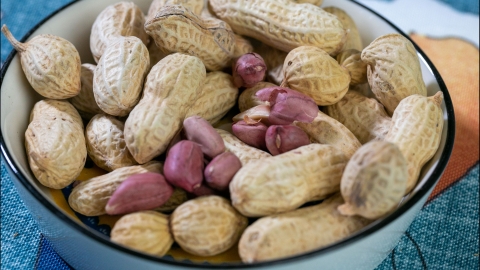
Peanuts belong to the nut family and contain moderate amounts of oxalate and purine. In patients with calcium oxalate stones, excessive peanut consumption can elevate urinary oxalate concentration, thereby promoting the formation of new stones. In patients with abnormal purine metabolism, excessive intake may also raise serum and urinary uric acid levels, potentially triggering uric acid stone formation. Small, controlled portions pose minimal risk; however, large single servings should be strictly avoided.
Clinical dietary management must be tailored to the specific type of kidney stone. Patients with calcium oxalate stones should limit high-oxalate foods such as nuts and spinach. Patients with uric acid stones should restrict high-purine foods. Daily management should prioritize adequate hydration, maintain a balanced diet, and include regular follow-up imaging of the urinary tract to monitor changes in stone size.
To reduce the risk of stone recurrence, limit peanut intake in daily life and prefer plain (unroasted, unsalted, un-fried) peanuts over oil-fried or salt-roasted varieties. Increase intake of warm water to promote urine output, and minimize consumption of foods high in oxalate or purine.


