


How can kidney stones be expelled quickly?

Expelling kidney stones quickly can be achieved through several methods, including drinking adequate amounts of water to flush the urinary tract, engaging in regular physical activity, using lithotripsy medications, extracorporeal shock wave lithotripsy (ESWL), and endoscopic stone removal surgery. The effectiveness of stone expulsion depends on the size and location of the stone. If you experience severe colicky pain in the flank or abdomen, persistent fever, or complete urinary obstruction, seek immediate medical attention.
1. Adequate Hydration: Maintain consistent fluid intake throughout the day to increase urine production. Continuous urine flow helps flush the ureters and urethra, facilitating the downward movement of small stones and enabling their natural passage with urine. Avoid consuming large volumes of water all at once.
2. Regular Physical Activity: Engage in activities such as jumping rope, vertical jumping, or stair climbing. The vibrational forces generated by these movements help dislodge and promote downward migration of smaller stones. After exercising, monitor your urine for visible stone fragments or debris.
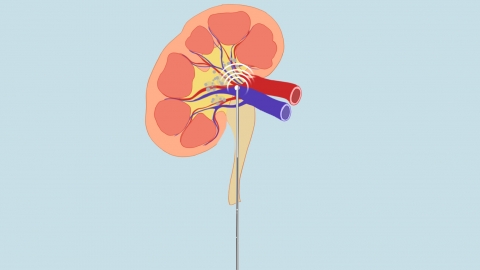
3. Lithotripsy Medications: Under physician supervision, use medications designed to facilitate stone passage—primarily by relaxing ureteral smooth muscle. These drugs alleviate urinary tract spasm, enhance peristaltic activity of the ureter, and thereby promote stone descent. Monitor your body’s response closely during treatment.
4. Extracorporeal Shock Wave Lithotripsy (ESWL): Suitable for medium-sized stones without urinary tract obstruction, ESWL uses targeted shock waves to fragment larger stones into fine particles. Once reduced in size, these particles can more easily pass through the urinary tract and be excreted with urine.
5. Endoscopic Stone Removal Surgery: Indicated for large stones or cases complicated by urinary obstruction unresponsive to conservative management, endoscopic procedures allow direct visualization and removal of stones. This rapidly relieves urinary obstruction and associated symptoms.
Maintain regular daily routines, limit intake of high-salt and high-oxalate foods, avoid prolonged sitting, develop the habit of timely urination, and undergo periodic renal and urinary tract ultrasound examinations to monitor stone status and reduce recurrence risk.


